You Won’t Believe What Luanda’s Art Scene Is Hiding
Luanda isn’t just Angola’s capital—it’s a vibrant canvas of color, rhythm, and raw creative energy. I went looking for art and found something deeper: a city telling its story through murals, music, and handmade wonders. From street corners pulsing with graffiti to studios breathing life into tradition, Luanda’s cultural activities are real, unfiltered, and impossible to ignore. This is art with soul, born from history and hustle. Every brushstroke, carved mask, and drumbeat carries memory and meaning. For travelers willing to look beyond the surface, Luanda offers not just sights, but stories—painted on walls, woven into cloth, and danced in the streets. This is a city where creativity isn’t confined to galleries; it lives in the air, in the people, and in the pulse of daily life.
The Pulse of Luanda: Where Art Meets Everyday Life
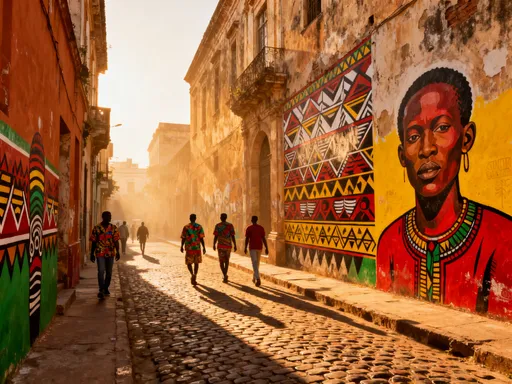
In Luanda, art does not wait behind glass or within climate-controlled rooms. It thrives where life happens—in markets, along alleyways, on cracked sidewalks, and above shopfronts. The city itself functions as an open-air museum, where every neighborhood contributes to a collective visual language. In areas like Ingombota and Maianga, the boundary between public space and artistic expression blurs. Here, brightly painted doors, hand-lettered signs, and murals covering entire building facades turn routine commutes into immersive cultural experiences. This integration of art into daily environments reflects a deeply rooted Angolan tradition: creativity as a form of survival, communication, and celebration.
What makes this urban artistry so powerful is its accessibility. Unlike formal exhibitions that may feel distant or exclusive, Luanda’s street-level art invites participation. A mural depicting a woman balancing a basket of fruit on her head is not only a tribute to everyday labor but also a symbol of resilience. A child kicking a soccer ball past a painted wall of swirling geometric patterns is unknowingly stepping through layers of cultural narrative. These moments are not staged—they are organic, spontaneous, and deeply human. Travelers walking through these neighborhoods aren’t just observers; they become part of the scene, moving through a living gallery shaped by history, identity, and community pride.
The informal nature of Luanda’s art spaces also allows for rapid cultural evolution. As new generations reinterpret tradition, their work appears almost overnight on blank walls or in pop-up displays at roadside stalls. This dynamism gives the city a creative rhythm that feels both urgent and celebratory. It’s not uncommon to see a mural painted over within weeks, replaced by a new message or vision. This constant renewal reflects a society in motion—one that honors its past while boldly imagining its future. For visitors, this means every trip to Luanda offers a different artistic landscape, rich with surprises and layered meanings.
Street Art as Storytelling: Murals That Speak Volumes
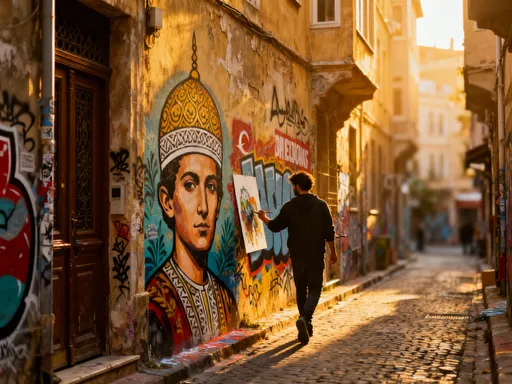
Street art in Luanda is more than decoration—it is a language. Emerging strongly in the years following the end of Angola’s civil conflict, murals became a powerful medium for reclaiming public space and expressing national identity. Artists used walls as pages, painting stories of loss, resistance, hope, and unity. These works transformed the city’s scarred architecture into a visual chronicle of resilience. Today, the legacy continues, with new generations of muralists building on this foundation, using bold colors, expressive figures, and symbolic imagery to communicate complex social messages.
Common themes in Luanda’s murals include independence, family, music, and spiritual heritage. A frequent motif is the silhouette of a traditional Angolan dancer, arms raised, body in motion—a tribute to the centrality of rhythm and movement in cultural life. Other murals depict historical figures like Queen Nzinga, a 17th-century leader who resisted Portuguese colonization, symbolizing strength and sovereignty. Still others portray everyday scenes: mothers carrying children, fishermen mending nets, or elders sharing stories under a tree. These images elevate ordinary life to the level of art, affirming the dignity and beauty of the Angolan experience.
One of the most striking aspects of Luanda’s street art is how artists repurpose colonial-era buildings as canvases. A faded colonial facade, once a symbol of foreign control, now becomes the backdrop for vibrant expressions of Angolan pride. This reclamation is both aesthetic and political. By painting over these structures with indigenous patterns, proverbs in local languages, or scenes from Angolan folklore, artists assert cultural ownership and rewrite the narrative of the city’s landscape. It’s a quiet revolution—one brushstroke at a time.
Art Markets & Craft Hubs: The Heartbeat of Local Creativity
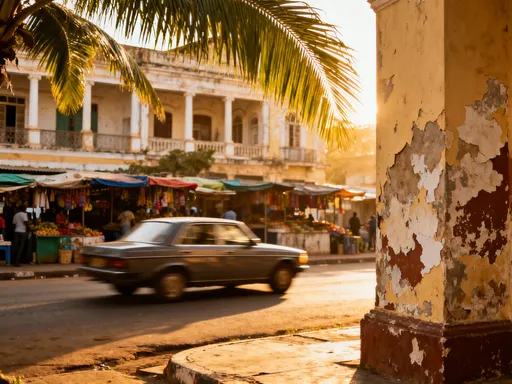
No exploration of Luanda’s art scene is complete without a visit to its bustling markets, where craftsmanship and commerce intertwine. The Mercado das Palmeiras stands out as a vibrant hub of handmade artistry. Here, under sun-bleached awnings and within tightly packed stalls, artisans display an astonishing array of work: intricately carved wooden masks, handwoven baskets, beaded jewelry, and textiles dyed with natural pigments. Each piece tells a story—some rooted in ancestral traditions, others reimagined for contemporary tastes. The market is not just a place to buy souvenirs; it is a living archive of cultural knowledge passed down through generations.
The sensory experience of walking through these markets is unforgettable. The air carries the earthy scent of carved wood, the sharp tang of dye, and the sweetness of ripe mangoes sold nearby. Vendors call out in Portuguese and Kimbundu, their voices blending with the rhythmic tapping of hammers shaping metal into bracelets. Shoppers haggle gently, not as a transactional ritual but as a form of connection. A simple exchange—asking about the meaning of a mask, complimenting a weaver’s technique—can open a conversation that lasts minutes or even hours. These interactions are as valuable as any purchase, offering travelers a deeper understanding of the people behind the art.
Supporting these local creators is not only ethical but essential. Many artisans rely on market sales as their primary income, and their work preserves techniques that might otherwise fade. By buying directly from makers, travelers help sustain traditional crafts and empower communities. Moreover, choosing authentic, handcrafted items over mass-produced imports ensures that tourism contributes positively to the local economy. Each purchase becomes a small act of cultural preservation, a way of saying: your story matters, and I honor it.
Galleries Off the Beaten Path: Hidden Studios and Emerging Talent
Beyond the markets and streets, Luanda’s art scene flourishes in quieter, less visible spaces—small studios, community centers, and artist collectives tucked into residential neighborhoods. Places like the N’Dia Art Project offer intimate glimpses into the creative process, where painters, sculptors, and mixed-media artists experiment with form and meaning. These spaces are often modest—converted garages, shared apartments, or open-air courtyards—but they pulse with energy and purpose. Here, art is not a luxury; it is a necessity, a way of processing history and imagining new futures.
One of the most compelling aspects of these hidden studios is the use of recycled materials. Artists transform scrap metal, discarded tires, broken glass, and old textiles into powerful works of beauty and commentary. A sculpture made from rusted car parts might depict a family holding hands, symbolizing unity forged from hardship. A painting layered with fragments of old newspapers speaks to the persistence of memory in a rapidly changing world. This resourcefulness is not just practical—it is deeply symbolic, reflecting a culture that finds value in what others discard and creates meaning from fragments.
Visiting these spaces offers a rare level of intimacy. Unlike formal galleries, where art is often presented with minimal context, studio visits allow travelers to speak directly with artists, ask questions, and witness work in progress. These conversations reveal the personal and cultural dimensions behind each piece—the dreams, struggles, and inspirations that fuel creativity. For many visitors, this direct connection transforms their understanding of Angolan art from something to be observed into something to be felt and respected.
Music, Dance, and Performance: Art in Motion
In Luanda, visual art does not exist in isolation. It is deeply intertwined with music, dance, and performance, forming a seamless cultural tapestry. The city’s signature rhythm, kuduro, is more than a genre—it is a movement, a mood, a way of life. Fast-paced, percussive, and electrifying, kuduro pulses through neighborhoods, radiating from open windows, passing cars, and outdoor speakers. Its energy influences visual art, with painters and muralists often incorporating rhythmic patterns, dynamic lines, and explosive color combinations that mirror the music’s intensity.
Live cultural nights at venues like Kinaxixi bring this synergy to life. Here, under strings of colored lights and the glow of lanterns, dancers move with breathtaking precision, their bodies tracing stories of love, resistance, and joy. Painters may set up easels on the sidelines, capturing the motion in real time. Musicians improvise alongside spoken word artists, creating a layered performance that engages all the senses. These events are not staged for tourists; they are authentic expressions of community life, open to all who come with respect and curiosity.
Traditional dances like rebita and semba also play a vital role in Luanda’s artistic ecosystem. Often performed at family gatherings, festivals, or religious ceremonies, these dances carry historical and spiritual significance. Their movements—graceful, grounded, and deeply expressive—inspire visual motifs in textiles, carvings, and paintings. When travelers witness these performances, they are not just watching art; they are experiencing a living tradition, one that connects past and present in a continuous flow of creativity.
How to Engage Respectfully: A Traveler’s Guide to Cultural Immersion
Engaging with Luanda’s art scene requires more than a camera and a wallet—it demands mindfulness and respect. The city’s creativity is not a spectacle to be consumed; it is a living expression of identity, history, and community. Travelers who approach it with humility and curiosity are often rewarded with meaningful connections and unforgettable experiences. A few simple practices can make a significant difference in how one is received and what one takes away from the journey.
First, always ask permission before photographing people or their artwork. While many artists are happy to share their work, some pieces—especially those with spiritual or personal significance—may not be intended for public display. A respectful request, even if met with a quiet no, demonstrates awareness and consideration. Learning a few basic phrases in Portuguese, such as “Posso tirar uma foto?” (May I take a photo?), goes a long way in building rapport and showing appreciation.
Second, support artists directly whenever possible. Buying from markets, studios, or pop-up exhibitions ensures that creators receive fair value for their work. Avoid purchasing mass-produced imitations sold in tourist zones, as these often exploit cultural symbols without benefiting the communities they represent. When in doubt, ask about the origin of a piece and the story behind it. Genuine artisans are usually eager to share their process and heritage.
Finally, practice slow travel. Rushing through markets or snapping photos from a moving car reduces art to a backdrop. Instead, spend time—sit, listen, observe. Let conversations unfold naturally. Return to the same mural over several days and notice how the light changes its appearance. Attend a local event not as a spectator but as a respectful guest. In doing so, travelers move beyond surface-level tourism and begin to truly see Luanda for what it is: a city shaped by creativity, resilience, and an unbreakable spirit.
Why Luanda’s Art Scene Matters—And Why You Should Care
Luanda’s art scene is not just a collection of murals, markets, and music—it is a testament to the power of creativity in the face of adversity. For decades, Angola endured conflict, displacement, and economic hardship. Yet, throughout it all, art persisted. It was a way to remember, to resist, to heal, and to hope. Today, as the city rebuilds and reimagines itself, its artists are at the forefront, shaping a new national identity rooted in pride, diversity, and innovation. Their work reminds us that culture is not a luxury—it is a lifeline.
On a global scale, Luanda represents an emerging cultural force in Africa, one that deserves attention and appreciation. Too often, international narratives focus on a country’s challenges while overlooking its strengths. Luanda’s vibrant art scene challenges that imbalance, offering a counter-narrative of resilience, beauty, and vision. It invites the world to see Angola not as a place defined by its past, but as a dynamic, forward-looking society rich in talent and spirit.
For travelers, engaging with Luanda’s art is an opportunity to connect with something real and enduring. It is a chance to move beyond postcard views and tourist traps, to witness creativity in its most authentic form. More than that, it is an invitation to participate—to listen, to learn, to support, and to be transformed. Luanda is not just a destination. It is a living, breathing work of art, constantly evolving, always surprising, and deeply human. To experience it is not to take something away, but to carry forward a story—one painted on walls, sung in streets, and shared with open hands.