You Won’t Believe These Hidden Natural Wonders in Abu Dhabi
When you think of Abu Dhabi, grand mosques and skyscrapers probably come to mind—but what if I told you the real magic lies beyond the city? I’m talking untouched deserts, thriving mangroves, and islands where wildlife roams free. I was blown away by how wild and beautiful this emirate truly is. These natural wonders are right there, yet so underrated. Let me take you on a journey through the side of Abu Dhabi no one talks about—but absolutely should.
Beyond the City: Discovering Abu Dhabi’s Wild Side
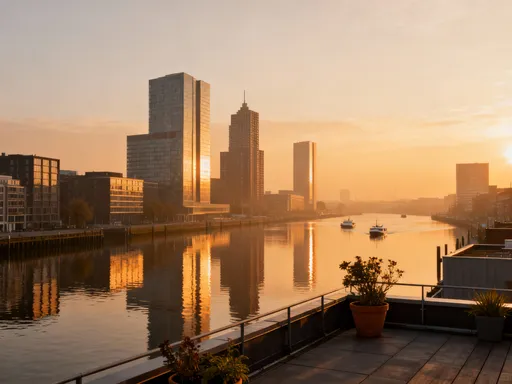
Abu Dhabi is often celebrated for its modern skyline, cultural landmarks like the Louvre Abu Dhabi, and the majestic Sheikh Zayed Grand Mosque. Yet beneath the polished surface of this progressive capital lies a surprisingly rich and diverse natural world. Just a short drive from the bustling downtown, the landscape transforms—dunes rise like golden waves, mangrove forests line quiet waterways, and protected islands offer sanctuary to rare marine life. This duality is what makes the emirate so unique: it’s a place where urban sophistication coexists with untouched wilderness.
Many visitors never venture beyond the city center, missing out on the emirate’s most authentic experiences. But for those willing to explore, Abu Dhabi reveals itself as a destination of remarkable ecological contrast. The government has invested heavily in conservation, establishing protected areas and promoting eco-tourism as a sustainable alternative to mass tourism. These efforts have made it easier than ever to access remote landscapes while preserving their integrity. From desert safaris to coastal kayaking, the opportunities to connect with nature are expanding every year.
What makes these natural spaces so compelling is not just their beauty, but their ability to inspire reflection and renewal. In the silence of the desert or the stillness of a mangrove channel, one can truly unplug from the pace of modern life. For families, couples, or solo travelers seeking meaningful experiences, these hidden corners offer a chance to slow down and appreciate the quiet rhythms of the natural world. And perhaps most surprisingly, many of these destinations are within two hours’ drive of the city, making them ideal for day trips or weekend getaways.
The Endless Beauty of the Empty Quarter (Rub’ al Khali)
Stretching across the southern part of the UAE, the Rub’ al Khali—also known as the Empty Quarter—is the largest continuous sand desert in the world. Covering over 650,000 square kilometers, this vast sea of dunes spans parts of Saudi Arabia, Oman, Yemen, and the UAE, with Abu Dhabi offering some of the most accessible entry points. Here, the landscape is otherworldly: endless waves of golden sand shift with the wind, creating patterns that look like ripples on an ocean frozen in time. The sheer scale is humbling, and the silence is profound—broken only by the soft crunch of footsteps or the distant call of a desert fox.
Despite its extreme conditions—summer temperatures can exceed 50°C—the Empty Quarter supports a surprising variety of life. Hardy plants like the ghaf tree anchor the dunes, while species such as the Arabian oryx, sand gazelle, and desert monitor lizard have adapted to survive in this harsh environment. Nocturnal creatures emerge at night, including the fennec fox, whose large ears help dissipate heat. Birdwatchers may spot larks and wheatears flitting between dunes, especially during migration seasons. These signs of life remind visitors that even in the most unforgiving landscapes, nature finds a way.
Visiting the Empty Quarter is not something to undertake alone. Most travelers opt for guided 4x4 desert safaris, which provide both safety and insight. Reputable tour operators offer morning or sunset excursions, multi-day camping trips, and even photography-focused tours. The best time to visit is between October and March, when daytime temperatures are more comfortable, averaging between 20°C and 30°C. During these months, the air is clear, the light is soft, and the experience of watching the sun rise over the dunes is unforgettable—a slow cascade of color that turns the sand from deep amber to glowing gold.
Evening visits offer a different kind of magic. As the sky darkens, the stars emerge with astonishing clarity. With minimal light pollution, the desert becomes one of the best places in the region for stargazing. Some eco-lodges and desert camps offer astronomy sessions, where guides point out constellations and explain traditional Bedouin navigation techniques. Sleeping under canvas, wrapped in a blanket, listening to the wind drift through the dunes, is an experience that stays with you long after you return to the city.
Mangrove Forests of Abu Dhabi: A Green Oasis in the Gulf
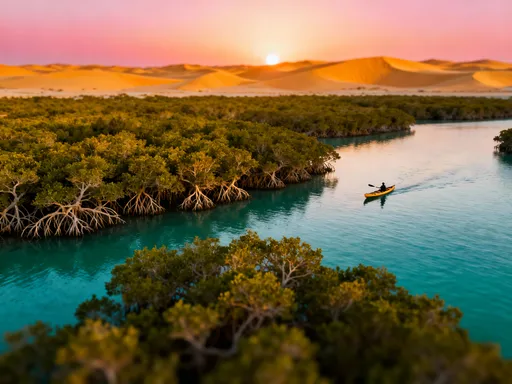
Along the eastern coast of Abu Dhabi, a quiet miracle unfolds in the tidal waters: dense mangrove forests thrive where saltwater meets land. The Eastern Mangroves National Park, covering over 3,000 hectares, is one of the largest and most accessible of these ecosystems. Seen from above, the network of narrow channels and green canopy resembles a living maze. From the water, it feels like stepping into another world—one of quiet beauty and delicate balance. These forests are not just scenic; they are vital to the health of the Arabian Gulf, serving as nurseries for fish, feeding grounds for birds, and natural filters for coastal waters.
Mangroves are uniquely adapted to survive in saline environments. Their complex root systems stabilize the shoreline, reduce erosion, and trap sediments, helping to maintain water clarity. They also sequester carbon at a rate higher than most terrestrial forests, making them powerful allies in the fight against climate change. In Abu Dhabi, conservationists have worked for decades to protect and expand these forests. Reforestation projects have planted thousands of mangrove saplings, and monitoring programs track water quality and biodiversity to ensure long-term sustainability.
For visitors, the mangroves offer a peaceful and immersive way to experience nature. Kayaking and stand-up paddleboarding are the most popular ways to explore the waterways. Paddling silently through narrow channels, you might spot herons stalking fish, crabs scuttling across exposed roots, or even the occasional juvenile stingray gliding beneath your board. Birdwatching is especially rewarding—over 50 species have been recorded here, including the western reef heron, the Eurasian curlew, and the endangered Socotra cormorant.
Tours are led by licensed guides who emphasize low-impact practices: staying on designated routes, avoiding loud noises, and never feeding or disturbing wildlife. Some eco-tour operators offer sunrise or sunset paddles, when the light is soft and the air is cool. These early or late excursions also increase the chances of seeing more elusive animals, such as the Indian crested porcupine or the small Indian mongoose. For families, many tours are suitable for children over eight, with tandem kayaks available and safety briefings provided before departure.
Sustainable Escapes: Eco-Friendly Adventures in the Wild
As global awareness of environmental issues grows, so does the demand for responsible travel. Abu Dhabi has responded by developing a growing network of eco-friendly experiences that allow visitors to enjoy nature without harming it. From certified eco-tours to green-certified accommodations, the emirate is making it easier to explore its wild spaces mindfully. The goal is not to eliminate tourism, but to transform it into a force for conservation and education.
One of the most effective ways to support sustainability is by choosing certified eco-tours. Several operators in Abu Dhabi are accredited by international or local environmental bodies, ensuring that their practices meet strict standards for waste management, wildlife interaction, and community engagement. These tours often include educational components, such as talks on desert ecology or mangrove conservation, helping visitors understand the importance of what they’re seeing. By learning about the challenges these ecosystems face—from climate change to coastal development—travelers are more likely to act responsibly during their visit and beyond.
Eco-lodges and sustainable camps are another key part of this movement. Nestled in remote desert or coastal areas, these accommodations are designed to blend into the landscape, using solar power, rainwater harvesting, and low-impact construction techniques. Some offer composting toilets, organic meals sourced from local farms, and guided nature walks that emphasize minimal footprint. Staying in such a place isn’t just about comfort—it’s about aligning your values with your travel choices.
Responsible wildlife viewing is also essential. Whether you’re watching birds in the mangroves or scanning the dunes for desert animals, maintaining a respectful distance is crucial. Feeding wildlife, even with good intentions, can disrupt natural behaviors and lead to dependency. Using binoculars or zoom lenses allows for close observation without intrusion. Many eco-tours now follow a “leave no trace” philosophy, packing out all waste and avoiding single-use plastics. These small actions, multiplied across thousands of visitors, can make a significant difference in preserving Abu Dhabi’s natural heritage.
Marine Wonders: Exploring Abu Dhabi’s Coastal and Island Life
Abu Dhabi’s coastline stretches over 700 kilometers, encompassing a rich mosaic of marine habitats. Beyond the city’s marinas and beaches lie protected islands and submerged ecosystems that support an extraordinary variety of life. Among the most significant are Saadiyat Island, Jubail Island, and the Marawah Marine Biosphere Reserve—the UAE’s first and largest UNESCO-designated marine protected area. These sites are home to some of the region’s most iconic and endangered species, including the dugong, the hawksbill turtle, and the Indo-Pacific bottlenose dolphin.
The dugong, a gentle marine mammal related to the manatee, is one of the most elusive and cherished residents of Abu Dhabi’s waters. Feeding primarily on seagrass, these animals rely on healthy underwater meadows, which the emirate has worked hard to protect. Snorkeling or diving in designated zones may offer a rare glimpse of a dugong gliding gracefully through the water. While sightings are never guaranteed, their presence is a sign of a thriving ecosystem. Similarly, hawksbill turtles nest on protected beaches, particularly between May and October. Conservation teams monitor nesting sites, relocating eggs when necessary to ensure hatchling survival, and sometimes organizing guided night walks to observe the process—without disturbing the animals.
Coral reefs, though less extensive than in other tropical regions, are another vital component of Abu Dhabi’s marine biodiversity. Reef-building corals such as *Porites* and *Acropora* can be found around offshore islands, supporting a colorful array of reef fish, octopuses, and crustaceans. Local dive centers offer guided snorkeling and scuba trips to these sites, emphasizing reef-safe practices like avoiding sunscreen with harmful chemicals and never touching or standing on coral. Some operators partner with marine research institutions, allowing visitors to participate in citizen science projects like coral health surveys or fish counts.
Boat tours provide another way to experience these marine wonders. Glass-bottom boats allow families to see underwater life without getting wet, while traditional dhow cruises offer a more cultural perspective, often including sunset views and light refreshments. For the more adventurous, kayaking around island coastlines or paddleboarding over seagrass beds provides an intimate connection with the marine environment. All of these activities are carefully regulated to minimize impact, with permits required for access to protected zones and strict guidelines on vessel speed and anchoring practices.
Best Times to Visit and How to Plan Your Nature Escape
Timing is everything when planning a nature-focused trip to Abu Dhabi. The emirate’s climate is characterized by long, extremely hot summers and mild, pleasant winters. The ideal window for outdoor exploration is between October and April, when daytime temperatures range from 20°C to 30°C—perfect for desert safaris, kayaking, and island excursions. Humidity is lower during these months, especially in the early morning and late afternoon, making physical activity more comfortable.
Summer, from May to September, brings intense heat, with temperatures often exceeding 45°C. While some indoor or early-morning activities may still be feasible, extended exposure to the sun can be dangerous. If visiting during this period, it’s essential to prioritize hydration, wear light clothing, and limit outdoor time to cooler hours. Some eco-tours may suspend operations or adjust schedules to accommodate the heat, so advance planning is crucial.
Transportation options vary depending on the destination. The emirate has an efficient road network, and renting a car offers the most flexibility for reaching remote areas. However, for those unfamiliar with desert driving, joining a guided tour is safer and often more informative. Many operators provide hotel pickup and drop-off, eliminating the need for navigation. Public transportation to natural sites is limited, so private transport or organized tours are the most practical choices.
Permits are required for certain protected areas, including parts of the Marawah Biosphere Reserve and some desert conservation zones. These are typically arranged by licensed tour operators, who ensure compliance with environmental regulations. Independent travelers should check with the Environment Agency – Abu Dhabi (EAD) for up-to-date requirements. Booking tours in advance is recommended, especially during peak season (November to March), as eco-tours often operate with small group sizes to minimize impact.
For a balanced itinerary, consider combining different types of experiences. A weekend might include a morning kayaking tour in the mangroves, an afternoon visit to a desert conservation reserve, and an evening stargazing session. Families may prefer a mix of educational and recreational activities, such as a guided nature walk followed by a picnic in a shaded area. Travelers seeking deeper immersion can opt for multi-day eco-lodges that offer full programs, including wildlife monitoring, conservation talks, and cultural exchanges with local guides.
Why These Natural Wonders Matter—And How to Protect Them
Abu Dhabi’s natural landscapes are more than just scenic backdrops—they are living systems that sustain biodiversity, support local communities, and contribute to global ecological balance. The mangroves filter water and protect coastlines from rising seas; the deserts host species found nowhere else; the marine reserves safeguard endangered animals and fragile coral ecosystems. Each of these environments plays a role in the broader web of life, and their preservation is not just a local responsibility, but a global one.
Yet these wonders face real threats. Climate change brings rising temperatures and sea levels, affecting both terrestrial and marine habitats. Coastal development, while economically important, can fragment ecosystems and increase pollution. Over-tourism, if unmanaged, risks degrading the very places people come to enjoy. That’s why sustainable practices are not optional—they are essential. Every decision a visitor makes, from choosing a tour operator to disposing of waste, has an impact.
The good news is that awareness is growing. The Abu Dhabi government, through agencies like the Environment Agency and the Department of Tourism and Culture, has implemented strong conservation policies and public education campaigns. Schools, media, and community programs now emphasize environmental stewardship, fostering a culture of respect for nature. Tourists, too, are becoming more conscious, seeking out experiences that align with their values.
As travelers, we have the power to be part of the solution. By choosing eco-certified tours, supporting conservation initiatives, and practicing mindful behavior in natural areas, we help ensure these wonders remain intact for future generations. We can also spread the word—sharing stories, photos, and lessons learned—not to boast, but to inspire others to explore with care. The beauty of Abu Dhabi’s wild side is not just in its landscapes, but in the connection it fosters between people and the planet.
In a world that often feels rushed and disconnected, places like the Empty Quarter, the mangrove forests, and the protected islands offer something rare: space to breathe, to reflect, to remember that we are part of something larger. They remind us that progress does not have to come at the expense of nature—that cities and wildlands can thrive together. So the next time you think of Abu Dhabi, don’t just picture the skyline. Picture a heron taking flight at dawn, a dune glowing under a full moon, a turtle emerging from the waves. These are the moments that stay with you. And they are waiting, just beyond the city.