You Won’t Believe What I Found Driving Through Libreville
Driving through Libreville feels like flipping through a vibrant photo album—each turn reveals a new layer of color, rhythm, and life. I didn’t expect much from Gabon’s capital, but the cityscape surprised me at every curve. From sunlit markets to ocean-kissed roads, self-driving let me discover Libreville’s pulse on my own terms. This isn’t just a journey across streets—it’s a front-row seat to a city that blends African soul with coastal charm. Let me take you through what made this ride unforgettable.
Why Libreville? The Spark Behind the Road Trip
Libreville is not a city that often appears at the top of most travelers’ wish lists. For many, Gabon remains a quiet presence on the map of Central Africa—known more for its vast rainforests and conservation efforts than for its urban energy. But that very sense of being overlooked is what drew me in. I wanted to explore a capital that hadn’t been reshaped entirely by mass tourism, a place where authenticity still pulses through its streets without performance. Choosing to drive through Libreville was not just about convenience; it was a deliberate decision to engage with the city on a personal level, to witness its daily rhythms without filters or schedules.
Before arriving, I’ll admit I carried a few assumptions. I imagined a city weighed down by traffic, underdeveloped infrastructure, and limited charm beyond the coastline. But curiosity outweighed skepticism. I had read about Libreville’s colonial past, its role as a political and economic hub, and its quiet elegance tucked between the Atlantic and the lagoon. Still, nothing could have prepared me for the way the city reveals itself gradually—like a conversation that starts softly but deepens with time. Self-driving offered the freedom to pause, backtrack, and follow unexpected turns, transforming what could have been a routine transfer into a journey of discovery.
What surprised me most was how much of the city’s character is embedded in its movement. Unlike guided tours that follow rigid itineraries, driving allowed me to witness Libreville as its residents do—through the rhythm of street life, the flow of commerce, and the subtle shifts in neighborhoods as I moved from district to district. This was not about ticking off landmarks but about absorbing the atmosphere, one block at a time. The decision to explore by car became less about transportation and more about immersion.
The First Glimpse: Entering Libreville by Car
Approaching Libreville from the south, the city announces itself not with skyscrapers but with texture. The first signs of urban life emerge subtly—clusters of roadside fruit stands draped in colorful tarps, women balancing baskets on their heads, and the occasional burst of music spilling from a passing minibus. The air carries a mix of salt from the Atlantic and the earthy scent of damp pavement after a morning shower. As the road narrows and the tree canopy gives way to rooftops, the tempo of life quickens. This is not a city that shouts; it hums, steadily drawing you in.
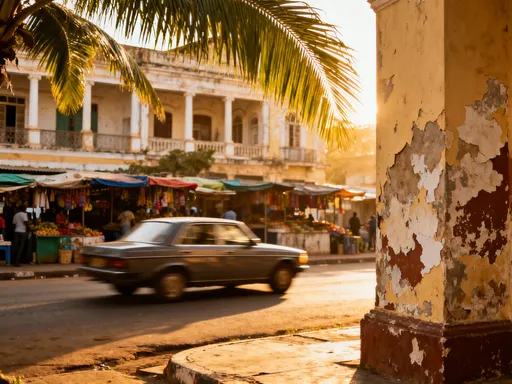
The outskirts of Libreville reveal a blend of resilience and adaptation. Houses rise in layers—some freshly painted with corrugated metal roofs, others weathered by years of humidity and sun. Hand-painted signs advertise phone credit, hair salons, and small eateries serving grilled fish and plantains. Traffic grows denser, not with luxury cars but with a mosaic of vehicles: battered sedans, motorbikes weaving through gaps, and shared taxis known locally as taxi-brousse. The rhythm of movement is unpredictable yet somehow orderly, guided more by instinct than strict rules.
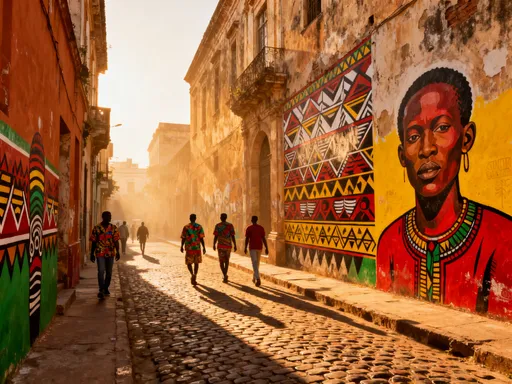
One of the most striking aspects of entering Libreville by car is how the architecture tells a story of layers. French colonial influences linger in the shuttered windows and wide verandas of older buildings, while newer constructions reflect a blend of African entrepreneurship and modern utility. Some facades are adorned with bold murals promoting national pride or religious messages, adding visual depth to the streetscape. The transition from rural to urban is seamless, almost gentle—no jarring skyline, no sudden density. Instead, the city unfolds like a slow reveal, inviting you to pay attention.
Cityscape in Motion: What You See When You Drive
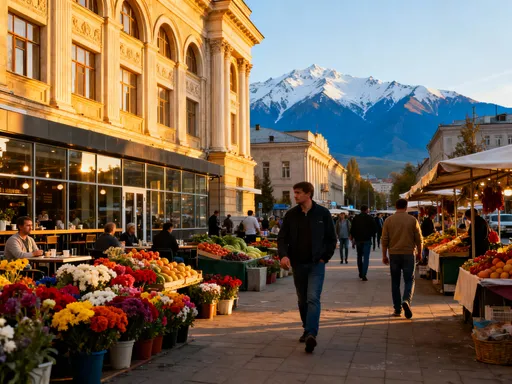
Once inside the heart of Libreville, the city’s character becomes more defined. Driving along Avenue Charles de Gaulle, the main artery of the city, offers a panoramic view of Libreville’s layered identity. Government buildings stand beside bustling markets, and quiet administrative zones give way to vibrant commercial strips. The street is wide, lined with mango trees that provide dappled shade, and in the late morning light, the buildings glow in warm ochres and faded blues. It’s not a polished boulevard, but it’s alive—with foot traffic, street vendors, and the constant hum of commerce.
Quartier Louis, one of the city’s historic neighborhoods, reveals a different pace. Here, narrow streets wind between closely built homes, many with ornate ironwork and tiled courtyards hidden behind high walls. Children wave from doorways, and the scent of frying dough drifts from a corner stall selling beignets. This area feels residential, intimate, and largely untouched by tourist infrastructure. Driving through it, I felt like a guest rather than a spectator. The architecture speaks of a bygone era, yet daily life here is firmly in the present—women washing clothes in basins, men repairing motorbikes, radios playing Congolese rumba in open-air shops.
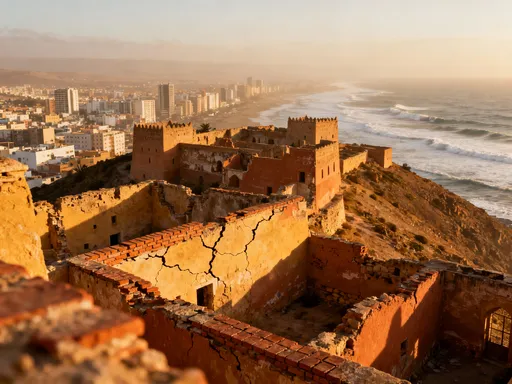
The waterfront, especially near the Pointe-Denis roundabout, offers one of the most striking visual experiences. The Atlantic stretches out in shades of turquoise and deep blue, and the road runs parallel to the shore, flanked by palm trees and public benches. On weekends, families gather here for evening strolls, and fishermen mend their nets on the sand. The contrast between the calm of the ocean and the energy of the city is palpable. From the car, I could see how Libreville embraces its coastal identity—not as a postcard-perfect resort, but as a working shoreline where life unfolds in full view.
What stands out most during a drive through Libreville is how light transforms the city throughout the day. In the early afternoon, the sun casts long shadows across the facades, highlighting textures in the paint and the wear of time. By late afternoon, golden light bathes the waterfront, turning the sea into liquid gold. These fleeting moments, best seen from the slow vantage of a moving car, reveal a beauty that isn’t staged or curated—it’s simply there, waiting to be noticed.
Behind the Wheel: Navigating Libreville’s Streets
Driving in Libreville is not for the faint of heart, but it’s far from impossible. The road conditions vary—some main avenues are well-paved and clearly marked, while side streets may have potholes or temporary repairs that require careful maneuvering. Traffic signs exist but are not always obeyed consistently, and roundabouts, though present, are often treated as suggestions rather than rules. Yet, there’s a certain rhythm to it all. Drivers tend to be courteous, using hand signals and eye contact to communicate intentions. Horns are used sparingly, more as a greeting than a sign of frustration.
One of the first things I learned was to drive defensively but calmly. Speeds are generally moderate, and most drivers seem to operate with a shared understanding of flow rather than strict adherence to lanes. This can be disorienting at first, especially at intersections where vehicles converge from multiple directions without clear signals. But over time, I adapted to the local pace—slowing down, scanning for motorbikes darting between cars, and allowing space for pedestrians crossing without designated crosswalks.
Navigation is made easier by the city’s relatively straightforward layout. Libreville stretches along the coast, with major roads running parallel or perpendicular to the shoreline. Avenue de la République, Avenue Léon M’ba, and the coastal route provide clear pathways through the urban core. GPS works reasonably well, though it’s wise to keep a basic map as backup, especially in areas where street names may not be clearly marked. Asking for directions is also an option—locals are generally friendly and willing to help, often using landmarks like churches, markets, or prominent buildings to guide you.
The real advantage of driving in Libreville is the ability to explore without constraints. While guided tours may stick to approved routes, a rental car allows you to follow your curiosity. I found myself turning down quiet streets simply because a mural caught my eye or a fruit stand looked particularly inviting. These unplanned detours led to some of the most memorable moments—watching a street barber give a haircut under a tree, or discovering a small church where a choir was practicing gospel songs. Self-driving turns the city into a living map, one that you help write as you go.
Hidden Rhythms: Moments Off the Main Roads
While the main avenues showcase Libreville’s public face, it’s the side streets that reveal its private life. Just off Avenue Charles de Gaulle, a narrow lane leads to a neighborhood market where women sell dried fish, cassava flour, and handmade baskets. The air is thick with the scent of spices and grilled meat, and the chatter of bargaining blends with the occasional burst of laughter. These markets aren’t designed for tourists—they’re functional, essential spaces where daily life unfolds with urgency and warmth.
Further inland, in residential zones like Quartier du Petit Paris and Akanda, the pace slows even more. Houses here are modest but well-kept, often painted in bright colors—sunflower yellow, sky blue, coral pink. Laundry hangs on lines between buildings, and potted plants decorate windowsills. Children play football in open lots, and elders sit under mango trees, watching the world pass by. These neighborhoods don’t offer grand attractions, but they offer something more valuable: a sense of how people live, unfiltered by performance or expectation.
One afternoon, I stumbled upon a small café tucked behind a row of shops. Plastic chairs spilled onto the sidewalk, and a radio played gentle soukous music. I ordered a glass of bissap, the hibiscus tea popular across West and Central Africa, and sat quietly, observing. Men discussed politics over espresso, women shared stories while waiting for their food, and a young boy practiced his French from a tattered schoolbook. It was an ordinary scene, yet profoundly moving in its simplicity. In that moment, I wasn’t a visitor—I was part of the neighborhood, if only for an hour.
These quiet discoveries are what make self-driving so rewarding. Without a fixed itinerary, I could linger, return, or change course based on mood and instinct. I learned to read the city not through guidebooks but through its rhythms—knowing when markets are busiest, when streets quiet down for midday rest, and when life re-emerges in the cool of the evening. This kind of knowledge isn’t taught; it’s gathered slowly, like dust on tires, through repeated passage and attention.
Sunset Drive: When the City Transforms
As the sun begins to dip toward the Atlantic, Libreville undergoes a quiet transformation. The heat of the day softens, and a gentle breeze rolls in from the ocean. Streets that were busy with commerce and traffic slow to a more relaxed pace. This is when the city reveals another dimension—one of warmth, connection, and quiet celebration. I made it a habit to take an evening drive, starting from the city center and following the coastline toward the lagoon. What I found was not just a change in light, but in mood.
The golden hour paints everything in a warm glow. Buildings that looked ordinary in daylight take on a new elegance, their textures highlighted by low-angle light. Palm trees cast long shadows across the road, and the sea shimmers like crushed glass. Along the waterfront, families begin to gather—parents with children, couples walking hand in hand, groups of friends laughing over snacks from street vendors. Music drifts from open windows and passing cars, a mix of Afrobeat, Congolese guitar, and local rhythms that pulse with life.
Driving at this time feels safer and more peaceful. Traffic is lighter, and drivers seem more relaxed. Streetlights flicker on, not all at once but gradually, as if the city is waking up to a second shift. In certain areas, like the roundabout near Stade de l’Amitié, small food stalls set up shop, selling grilled corn, fried plantains, and cold drinks. The aroma fills the air, and the glow of lanterns creates pockets of warmth in the gathering dusk.
One evening, I parked near the beach and walked to the water’s edge. The sound of waves blended with distant music, and the sky turned from orange to deep indigo. Back in the car, I drove slowly, letting the moment linger. There’s a certain intimacy in seeing a city at this hour—not in its formal attire, but in its evening clothes, relaxed and genuine. It’s a reminder that cities, like people, have different faces at different times of day, and that the most authentic ones are often revealed after the sun goes down.
Why This Road Matters: Reflections on Urban Discovery
Driving through Libreville changed the way I think about African cities. Too often, they are viewed through a narrow lens—either as places of struggle or as exotic destinations frozen in time. But Libreville defies such simplifications. It is modern and traditional, structured and spontaneous, calm and vibrant—all at once. To experience it from behind the wheel is to witness its complexity firsthand, to move through its layers with patience and curiosity.
This journey reminded me that true discovery happens not in grand gestures but in small moments: the wave from a child, the smell of street food, the way light falls on a wall in the late afternoon. Self-driving allowed me to engage with the city on my own terms, to set my own pace, and to follow my instincts. It wasn’t about covering ground quickly but about deepening my understanding—one block, one conversation, one unplanned stop at a time.
Libreville may never be a top-tier tourist destination, and perhaps that’s part of its charm. It doesn’t perform for visitors. It simply lives. And in that living, there is a kind of honesty that’s increasingly rare in a world of curated experiences. This road trip wasn’t just about seeing a new place—it was about remembering how to see at all.
To anyone considering a journey through an unfamiliar city, I offer this: take the wheel. Let go of rigid plans. Allow yourself to get lost, to pause, to notice. Because sometimes, the most unforgettable discoveries aren’t on the map—they’re in the spaces between, waiting to be found by those who drive with open eyes and an open heart.