You Won’t Believe These Hidden Art Spaces in Uppsala
Uppsala isn’t just about old churches and university life—its art scene is quietly exploding. I wandered in without expectations and found myself inside surreal installations, repurposed industrial zones buzzing with creativity, and galleries that feel more like secret clubs. This city blends Nordic minimalism with bold experimentation, and the best spots? They’re not in the guidebooks. If you love discovering art where it feels raw and real, Uppsala might just be your next obsession.
Beyond the Cathedral: Uppsala’s Unexpected Art Identity
When most travelers think of Uppsala, they picture the towering spires of Uppsala Cathedral, the serene gardens of Linnaeus, or the historic halls of Scandinavia’s oldest university. These landmarks are undeniably central to the city’s identity, but they only tell part of the story. Beneath the surface of academic tradition lies a vibrant, evolving contemporary art scene that thrives on independence, innovation, and quiet rebellion. This is a city where centuries-old stone buildings coexist with graffiti-covered garage doors, where philosophy students debate aesthetics in cafés overlooking experimental sculptures in hidden courtyards.
What makes Uppsala’s artistic transformation so compelling is how organically it has unfolded. Unlike Stockholm or Copenhagen, where major institutions often lead cultural trends, Uppsala’s momentum comes from the ground up. The presence of Uppsala University plays a crucial role—not through formal programs alone, but by fostering a culture of inquiry, critical thinking, and interdisciplinary exchange. Students, researchers, and local artists frequently collaborate across fields, blurring the lines between science, literature, and visual art. This intellectual ecosystem nurtures risk-taking, encouraging creators to explore unconventional themes and materials.
The shift from traditional to independent art spaces reflects a broader trend in Nordic cultural life. While national museums maintain their importance, younger audiences increasingly seek authenticity, intimacy, and immediacy—qualities often missing in large, curated institutions. In response, Uppsala has seen a rise in artist-run initiatives, temporary collectives, and pop-up exhibitions that prioritize accessibility and dialogue over prestige. These grassroots efforts are not a rejection of tradition, but rather an expansion of what art can be and who it’s for. They reflect a desire to make art part of everyday life, not something reserved for special occasions or elite circles.
Kunsthall Uppsala: Where Conceptual Art Comes Alive
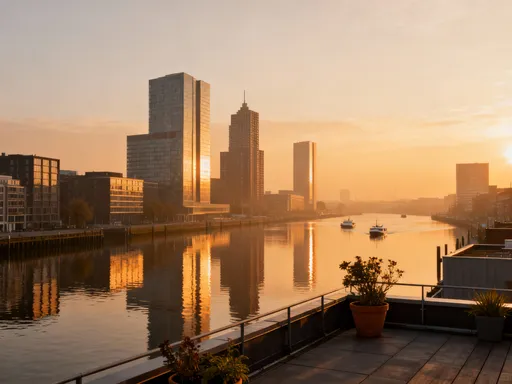
At the heart of this movement stands Kunsthall Uppsala, a sleek, modern venue that has become a beacon for contemporary art in central Sweden. Housed in a repurposed industrial building near the river Fyris, the kunsthall’s architecture itself signals a break from the past—its concrete façade and floor-to-ceiling windows create a sense of transparency and openness, inviting passersby to step inside. Inside, the space is intentionally minimal, allowing the artwork to take center stage. The curatorial focus leans heavily toward conceptual and socially engaged practices, often exploring themes like identity, technology, and environmental change.
One of the kunsthall’s most talked-about exhibitions, “Echoes of the Invisible”, featured sound installations that transformed electromagnetic waves into audible frequencies, giving visitors an eerie, almost spiritual experience of the digital world around them. Another, “The Weight of Air”, used suspended glass sculptures to visualize atmospheric pressure changes, blending science and poetry in a way that resonated deeply with both local audiences and international art critics. These exhibitions didn’t just attract attention—they sparked conversations, with many visitors returning multiple times to fully absorb the layers of meaning.
What sets Kunsthall Uppsala apart is its ability to connect with younger, digitally native audiences. The institution maintains a strong online presence, with high-quality video documentation, artist interviews, and interactive digital components that extend the exhibition experience beyond the physical space. Social media platforms like Instagram and TikTok have amplified its reach, allowing artworks to gain traction far beyond Uppsala’s borders. Yet, despite its digital fluency, the kunsthall remains committed to the irreplaceable value of in-person engagement—viewing art with others, in real time, within a shared space.
The Rise of DIY Art Hubs in Repurposed Spaces
While Kunsthall Uppsala represents a semi-institutional model, much of the city’s most exciting work happens in even more informal settings. Across Uppsala, former factories, disused warehouses, and abandoned printing plants have been transformed into thriving DIY art hubs. These spaces are typically run by collectives of artists who pool resources, share skills, and operate outside traditional funding structures. They are places where experimentation is not just encouraged—it’s expected.
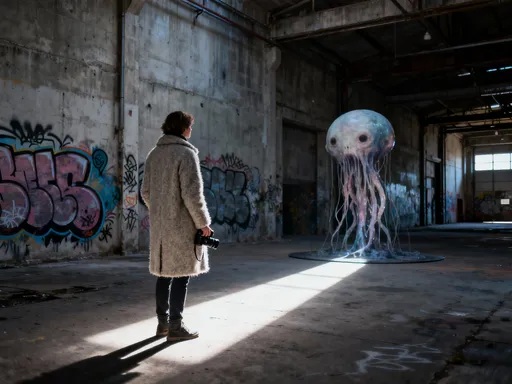
One standout example is a former print shop in the Vaksala district, now known simply as Tryckverket (The Printing Works). Once a bustling facility producing university pamphlets and local newspapers, the building sat empty for over a decade before a group of visual artists, performance creators, and sound designers reclaimed it. Today, it houses shared studios, a small screening room, and a flexible exhibition space that changes layout with each new project. The atmosphere is electric—half workshop, half salon—with paint-splattered floors, half-finished sculptures, and the constant hum of creative discussion.
Tryckverket and similar spaces host regular open studio events, where the public is invited to meet artists, see works in progress, and even participate in collaborative projects. Pop-up exhibitions appear without fanfare, sometimes lasting only a weekend, announced through word of mouth or social media. These transient events create a sense of urgency and exclusivity, making each visit feel like a personal discovery. Additionally, many of these hubs offer workshops in printmaking, textile art, or digital media, making them accessible not just as viewing spaces but as places of learning and community building.
Street Art You Can’t Miss (But Might Walk Past)
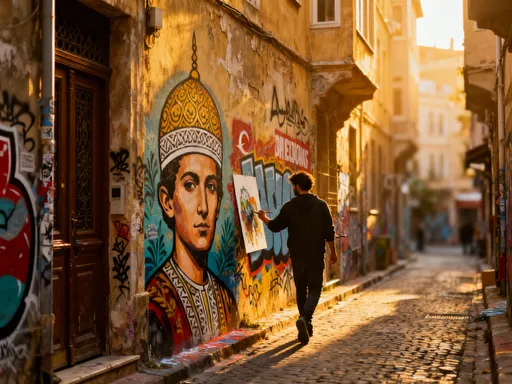
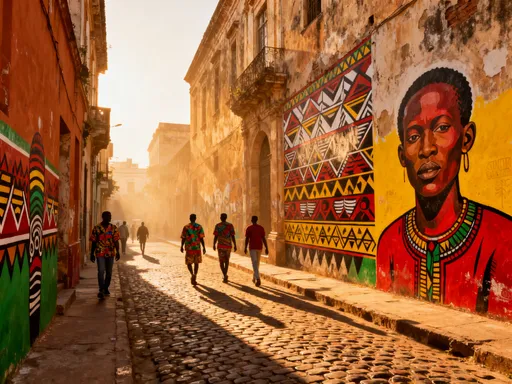
Uppsala’s art scene isn’t confined to indoor galleries or converted factories—it spills into the streets in subtle, often unexpected ways. While the city maintains a restrained, orderly aesthetic overall, closer observation reveals a growing presence of street art that respects its historic context while quietly challenging it. Unlike the bold, large-scale murals of Berlin or Melbourne, Uppsala’s street art tends to be smaller, more intimate, and deeply integrated into the urban fabric.
In the Vasastaden neighborhood, for instance, a series of ceramic tiles embedded in alleyway walls depict local flora and fauna in a style reminiscent of botanical illustrations. Created by a collective of eco-conscious artists, the installation doubles as a subtle commentary on urban biodiversity. Elsewhere, near the student housing areas, stenciled phrases in Swedish and English appear on utility boxes—poetic fragments like “What if silence spoke?” or “You are here, but where is here?”—inviting momentary reflection amid daily routines.
One particularly striking piece, located on the side of an old bakery in the Gamla Stan area, features a life-sized mosaic of a woman reading, her face composed entirely of recycled book pages. The work, by Swedish artist Elin Norén, pays homage to Uppsala’s literary heritage while highlighting issues of sustainability and memory. What’s remarkable is how these pieces coexist with the city’s historic architecture—they don’t clash, but rather converse with it, adding layers of meaning without disrupting the overall harmony. For visitors, spotting these works becomes a kind of urban treasure hunt, rewarding slow, mindful walking over rushed sightseeing.
Galleries with a Twist: More Than Just White Walls
Alongside the underground and street-level movements, Uppsala is home to a number of small, independent galleries that redefine what an exhibition space can be. These venues reject the clinical sterility of the traditional “white cube” model in favor of warmer, more inviting environments that blend art with daily life. Many incorporate cafes, bookshops, or workshop areas, turning the gallery into a hybrid space where people come not just to look, but to linger, connect, and create.
One such place is Lilla Galleriet (The Small Gallery), tucked away on a quiet side street near the botanical garden. From the outside, it looks like a cozy home, with flower boxes under the windows and a hand-painted sign. Inside, the layout is fluid—artworks hang in living rooms, hallways, and even the kitchen. During my visit, I found myself sipping herbal tea at a wooden table while discussing a mixed-media piece with the artist, who happened to be preparing for an upcoming show. There was no formal receptionist, no price list in sight—just a sense of ease and authenticity that made the experience feel deeply personal.
What makes Lilla Galleriet and similar spaces so special is their emphasis on community. They host weekly artist talks, poetry readings, and craft circles, fostering relationships between creators and audiences. Some even allow visitors to contribute to ongoing collaborative works—adding a brushstroke, writing a line of text, or leaving a personal object as part of an evolving installation. These galleries don’t just display art—they treat it as a living, breathing process, one that belongs to everyone, not just the privileged few. For families, retirees, or anyone seeking meaningful cultural experiences without pretension, these spaces offer a refreshing alternative to conventional museums.
How to Experience Uppsala’s Art Scene Like a Local
To truly appreciate Uppsala’s art culture, timing and approach matter. One of the best ways to immerse yourself is to plan your visit around the monthly First Friday events, when galleries, studios, and kunsthalles open their doors simultaneously, often with live music, refreshments, and artist appearances. These evenings create a festive, inclusive atmosphere, drawing locals and visitors alike into a shared celebration of creativity. The city center becomes a circuit of discovery, with clusters of activity in different neighborhoods, making it easy to explore multiple venues in one relaxed evening.
Another insider tip is to check the event calendars of Uppsala University’s art and architecture departments. Student exhibitions, thesis shows, and experimental performances are frequently open to the public and offer a glimpse into emerging talent and cutting-edge ideas. These events are often low-key, with minimal advertising, but they provide some of the most authentic and thought-provoking experiences in the city. Additionally, many DIY spaces rely on grassroots communication—following local artist collectives on Instagram or joining community Facebook groups can reveal pop-up shows, open studio days, or collaborative workshops that never make it onto official tourism sites.
Navigating the city on foot or by bike enhances the experience, allowing you to notice details you’d miss from a car or bus. Uppsala is compact and pedestrian-friendly, with well-marked bike lanes and ample parking for rented bicycles. A slow-paced itinerary lets you stumble upon hidden courtyards, impromptu installations, or artists at work in sunlit studios. Comfortable shoes, a reusable water bottle, and a small notebook for sketching or jotting down thoughts can make your journey even more rewarding. The goal isn’t to see everything, but to be present—to allow the city’s creative energy to reveal itself gradually, like pages turning in a well-loved book.
Why Uppsala’s Art Spaces Matter in the Digital Age
In an era dominated by digital content, where art is often consumed in fleeting scrolls and algorithm-driven feeds, Uppsala’s physical, intimate art spaces offer something rare and essential: presence. These venues remind us that art is not just an image to be liked or shared, but an experience to be felt in the body, in time, and in community. Standing in front of a sculpture, hearing the crackle of a sound installation, or watching paint dry on a collaboratively made canvas—these moments cannot be replicated on a screen. They require stillness, attention, and a willingness to be moved.
Small cities like Uppsala play a vital role in preserving and redefining cultural authenticity. Without the pressures of mass tourism or commercial demands, they can foster slower, more thoughtful artistic practices. Artists have room to experiment, fail, and try again. Audiences have space to engage deeply, ask questions, and form real connections. This environment nurtures not just individual creativity, but collective well-being—art becomes a form of civic dialogue, a way of seeing and understanding the world together.
Uppsala stands as a quiet model of how artistic transformation can happen without spectacle or hype. It doesn’t need billboards or viral campaigns to prove its relevance. Its power lies in its subtlety—in the way a mural blends into an old wall, in the hush of a converted print shop, in the warmth of a gallery that feels like home. For those seeking art that feels human, grounded, and alive, Uppsala offers a profound reminder: sometimes, the most extraordinary experiences are found where you least expect them. The journey begins not with a destination, but with a willingness to look closely, to listen, and to believe in the quiet magic of creative possibility.