Dubai Unhurried: Where Slow Travel Meets Themed Wonders
You know what? Dubai isn’t just about skyscrapers and shopping sprees. I spent two weeks exploring its themed neighborhoods at a slower pace—and wow, it changed everything. From desert-inspired courtyards to culturally rich districts, each area tells a story. This is not your typical checklist run. Instead, it’s about savoring moments, connecting with local vibes, and discovering hidden layers beneath the glitz. Let me take you through a side of Dubai you never expected.
Rethinking Dubai: Beyond the Rush
Dubai has long been celebrated for its rapid transformation—from a modest coastal town to a global metropolis in just a few decades. The city's skyline, dominated by the Burj Khalifa and glittering towers, often symbolizes speed, ambition, and luxury. Travelers frequently arrive with itineraries packed to the minute: morning at the mall, afternoon on a desert safari, evening at a rooftop lounge. Yet, beneath this high-octane image lies a quieter, more thoughtful side of the city—one that rewards those who slow down and stay longer. The concept of slow travel, which emphasizes immersion over accumulation, is increasingly resonating with visitors seeking depth, connection, and authenticity. And Dubai, surprisingly, is well-suited for this shift.
What makes slow travel in Dubai so effective is the city’s intentional design of themed neighborhoods. Each district carries a distinct identity—architectural, cultural, or environmental—that invites exploration beyond surface-level sightseeing. These areas are not just backdrops for photos; they are living environments where history, art, sustainability, and urban life unfold in rhythm. When travelers move through them at a relaxed pace, they begin to notice subtle details: the pattern of light filtering through a traditional wind tower, the scent of frankincense in a quiet alley, or the unhurried conversation between neighbors at a local café. These moments, often missed in a rush, form the essence of meaningful travel.
Moreover, Dubai’s infrastructure supports this more deliberate way of moving through the city. With a growing network of walkways, cycling paths, and reliable public transport, it’s easier than ever to linger in one area without feeling pressured to chase the next attraction. The city’s compact layout—especially in central districts—allows for repeated visits to the same neighborhood at different times of day, revealing new moods and experiences. By choosing to stay in one themed area for several days, travelers can develop a sense of place, build familiarity, and even form brief but genuine connections with residents. This shift from checklist tourism to experiential engagement is not just refreshing—it’s transformative.
Al Seef: Where Heritage Lives Slowly
One of the most compelling places to practice slow travel in Dubai is Al Seef, a waterfront district that masterfully blends old Emirati architecture with modern comfort. Stretching along the Dubai Creek, Al Seef recreates the feel of a traditional Arabian town, with narrow alleyways, coral-stone facades, and wind-tower houses that once cooled homes in the desert heat. But unlike a museum exhibit, this is a living, breathing neighborhood where culture is not just displayed but lived. Walking through Al Seef feels like stepping into a quieter version of Dubai—one where time moves with the tide rather than the clock.
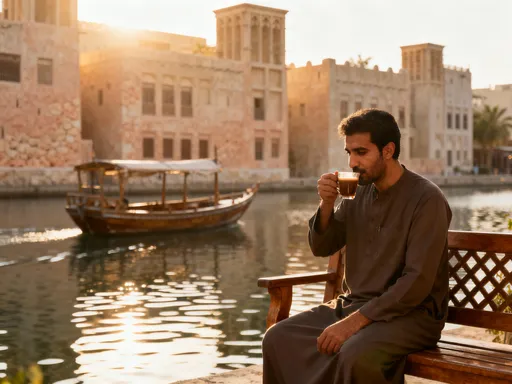
The real magic of Al Seef reveals itself in the small, unhurried moments. Imagine pausing at a family-run café to sip karak tea, its rich, spiced aroma filling the air as you watch fishing boats glide along the creek. Or picture yourself browsing handwoven textiles at a small souk, where artisans sit patiently behind their crafts, happy to share stories about their work. These interactions are not staged for tourists; they are part of the daily rhythm of the place. There are no crowds rushing to the next photo op—just a steady flow of visitors and locals enjoying the shade, the breeze, and the simple pleasure of being present.
Photography in Al Seef becomes a meditative act rather than a hurried pursuit. The golden light of late afternoon casts long shadows across the courtyard, illuminating intricate wooden latticework and the soft textures of aged stone. Without the pressure to capture everything at once, you can focus on a single detail—a weathered door, a hanging lantern, the reflection of a dhow in still water. These images, born from stillness, often carry more emotional weight than any panoramic shot from a skyscraper balcony. Al Seef proves that authenticity in travel isn’t about finding untouched places—it’s about engaging with places that honor their past while embracing the present.
For travelers seeking cultural texture, Al Seef offers more than aesthetics. It provides a sensory education in Emirati life—how homes were designed for airflow, how trade flourished along the creek, how community spaces fostered connection. Even the food here tells a story: from camel burgers to date-based desserts, the menu reflects local ingredients and traditions. By spending a full day—or better yet, several—in Al Seef, visitors begin to understand Dubai not as a city that erased its history, but one that is thoughtfully preserving and reinterpreting it. This kind of deep, patient discovery is the heart of slow travel.
Dubai Design District (d3): Creativity on Its Own Time
Nestled between Downtown and Business Bay, the Dubai Design District—known as d3—is a sanctuary for creativity and contemplation. Designed as a hub for artists, designers, and thinkers, d3 operates on a different rhythm than the surrounding commercial zones. Its wide sidewalks, shaded plazas, and open-air galleries invite wandering, not rushing. Here, time slows down not because there’s less to do, but because there’s more to absorb. A visit to d3 is less about ticking off attractions and more about allowing inspiration to unfold naturally—through a conversation, an exhibition, or simply the act of observing.
Walking through d3 feels like moving through a curated journal of contemporary Arab design. Boutique studios showcase handmade ceramics, textile art, and furniture that blend traditional motifs with modern forms. Galleries rotate exhibitions that explore identity, sustainability, and innovation—themes that resonate deeply in today’s world. Unlike larger museums, where crowds can make viewing a challenge, d3’s smaller scale allows for intimate engagement with each piece. You can stand in front of a mixed-media installation for ten minutes, reading the artist’s statement, imagining their process, and reflecting on your own response. This kind of reflective experience is rare in fast-paced tourism, but it’s central to what d3 offers.
The district also hosts regular events that reward patience and curiosity. A small-scale design talk in a sunlit courtyard might draw only a dozen attendees, creating space for genuine dialogue with the speaker. A weekend market could feature local makers selling jewelry, prints, or organic skincare—each with a story behind it. Even the coffee shops in d3 feel different: quieter, more intentional, with baristas who take pride in their craft. Sitting at a corner table with a flat white and a sketchbook, you might find yourself sketching the architecture or jotting down ideas sparked by what you’ve seen.
What makes d3 particularly suited to slow travel is its layout. The buildings are low-rise, the streets are walkable, and green spaces are integrated throughout. There’s no need to rush from one end to the other—you can spend an entire morning in a single block and still feel like you’ve only scratched the surface. The district’s design encourages looping paths and unexpected detours, turning a simple walk into a journey of discovery. For creative souls or anyone seeking a mental reset, d3 offers a rare gift: the space to think, feel, and create without distraction.
Boxpark and Its Surrounds: Urban Energy with Breathing Room
At first glance, Boxpark Dubai might seem like the antithesis of slow travel—a vibrant, Instagram-famous shopping and dining complex made from repurposed shipping containers. But when viewed as part of a larger urban ecosystem, Boxpark becomes a gateway to a more balanced, walkable experience. The key is not to treat it as a destination in itself, but as a node in a network of streets, parks, and neighborhoods that support a relaxed pace. Just beyond its colorful facades lies Al Wasl Road, a stretch of urban life where green pockets, street art, and local cafes create breathing room in the middle of the city.
Sitting at an outdoor table near Boxpark, watching people come and go, can be a surprisingly meditative experience. The energy is lively but not overwhelming. You might see a group of friends sharing shawarmas from a popular food truck, a couple browsing independent boutiques, or a jogger pausing to stretch under a shaded tree. There’s a sense of community here—a mix of residents, workers, and visitors going about their day. By lingering in this space, rather than rushing through it, you begin to tune into the rhythm of the neighborhood. You notice how the light changes from afternoon to evening, how the music from a nearby speaker shifts from pop to jazz, how the pace of conversation slows as the heat fades.
From Boxpark, it’s easy to drift into adjacent areas that offer quieter contrasts. A short walk along Al Wasl Road leads to pocket parks where families gather, artists sketch under trees, and dogs trot alongside their owners. Street art murals—some bold and colorful, others subtle and poetic—add visual interest without demanding attention. Local cafes serve cold-pressed juices, Arabic coffee, and healthy bites, catering to a lifestyle that values well-being over extravagance. These spaces aren’t designed for spectacle; they’re designed for everyday life. And that’s what makes them so valuable for slow travelers—they offer a glimpse into how people actually live, not just how they perform for tourists.
Staying in a hotel or serviced apartment near Boxpark for several days allows travelers to absorb this rhythm. You can visit the same café twice—once in the morning with a book, once in the evening with a friend. You can explore the same street at different times and notice how it transforms. This kind of repetition, often avoided in traditional tourism, is essential to slow travel. It builds familiarity, reduces decision fatigue, and opens space for spontaneity. One unplanned detour might lead to a hidden garden, a conversation with a shop owner, or a moment of quiet reflection beneath a palm tree. In a city known for its grand gestures, these small, ordinary moments can be the most memorable.
The Sustainable City: Living the Slow Life
If there’s a physical manifestation of slow living in Dubai, it’s The Sustainable City. Located on the outskirts of the city, this residential community is built around principles of environmental harmony, resource efficiency, and quality of life. From the moment you enter, the pace shifts. Solar-powered homes line shaded streets, electric buggies glide silently past, and green spaces dominate the landscape. There are no skyscrapers, no neon signs, no traffic jams—just a carefully designed environment that encourages mindfulness, connection, and simplicity.
Visitors to The Sustainable City can participate in a range of activities that reflect its ethos. Riding a bike between homes and communal spaces is not just practical—it’s a way of moving through the world with intention. The organic farm, where residents grow vegetables and herbs, offers tours and workshops on composting, water conservation, and sustainable gardening. Joining a resident-led session on composting might sound mundane, but it’s surprisingly profound. You learn how food waste becomes soil, how small actions contribute to larger systems, and how living in tune with nature changes daily habits. These lessons stay with you long after you leave.
The city’s design fosters a sense of community that’s rare in urban settings. Shared spaces—a mosque, a school, a healthcare center, and a nursery—are arranged to encourage interaction. Children play in open areas, neighbors chat over fences, and public events bring people together around common goals. For travelers, this offers a rare opportunity to observe—and briefly participate in—a lifestyle built on sustainability and care. Even a half-day visit can shift your perspective on consumption, movement, and well-being. You begin to question: Do I need everything I own? Could I live with less noise, less waste, more green space?
What makes The Sustainable City especially valuable for slow travel is its invitation to presence. Without the distractions of constant stimulation, you become more aware of your surroundings—the sound of birds, the feel of breeze, the sight of solar panels glinting in the sun. Time feels different here: not something to be filled, but something to be experienced. For families, couples, or solo travelers seeking a reset, a stay in or visit to The Sustainable City offers a powerful counterpoint to Dubai’s more extravagant offerings. It reminds us that luxury isn’t always about more—it can also be about enough.
Palm Jumeirah: Finding Calm in a Famous Locale
Palm Jumeirah is one of Dubai’s most iconic landmarks, often associated with luxury resorts, celebrity sightings, and high-energy nightlife. But with a bit of intention, this man-made island can also become a haven for slow travel. The key is to look beyond the glitz and focus on the natural and human-scale experiences that exist alongside the glamour. Early mornings, for instance, offer a completely different version of the Palm—quiet, peaceful, and filled with the soft light of sunrise. Walking along the fronds at this hour, you might find yourself alone on the beach, listening to the waves, watching herons wade in the shallows, or simply breathing in the salt air.
Beachcombing at dawn reveals small treasures: a smooth piece of sea glass, a spiral shell, a feather carried by the wind. These quiet acts of discovery ground you in the present moment. Later in the day, a low-key water sports session—kayaking, stand-up paddleboarding, or snorkeling—allows you to engage with the marine environment at a relaxed pace. Unlike jet-ski tours that prioritize speed, these activities invite observation, balance, and connection with the water. You might spot fish darting beneath your board, notice the pattern of currents along the shore, or feel the sun warm your back as you glide forward.
Accommodation choices also shape the experience. While some hotels emphasize spectacle, others prioritize tranquility. Smaller boutique properties or serviced apartments with kitchen facilities allow for a more self-directed, unhurried stay. You can prepare breakfast with local ingredients, enjoy coffee on a private balcony, and set your own schedule. Some areas of the Palm, particularly along the inner crescent, are less crowded and more residential, offering a sense of calm even in a famous location. By choosing these quieter access points and avoiding peak hours, travelers can reclaim the Palm as a place of relaxation rather than performance.
The lesson here is powerful: even the most commercialized destinations can support slow travel if approached with mindfulness. It’s not about rejecting luxury or entertainment—it’s about balancing them with stillness, simplicity, and personal presence. On Palm Jumeirah, as elsewhere in Dubai, the option to slow down is always available. You just have to choose it.
Making It Work: Practical Tips for Themed Slow Travel
Adopting a slow travel approach in Dubai doesn’t require drastic changes—it starts with small, intentional choices. The first step is accommodation. Instead of rotating through multiple hotels, consider staying in one themed area for three to five days. This allows you to unpack, settle in, and explore the neighborhood at different times of day. Whether it’s a heritage guesthouse in Al Seef, a design-forward apartment in d3, or a quiet retreat on the Palm, choosing a base with character enhances the experience.
Transportation is another key factor. While taxis and ride-sharing are convenient, they can disconnect you from the city’s rhythm. Whenever possible, use public transport, walk, or rent a bike. The Dubai Metro connects many central areas, and the city’s expanding network of cycling paths makes it easier to move sustainably. Apps like S’hail (Dubai’s official transport app) help plan routes, check schedules, and locate bike-sharing stations. Walking between nearby districts—such as from Boxpark to Al Wasl—reveals hidden details that cars miss: a mural, a courtyard, a fragrant garden.
Itinerary planning should favor depth over breadth. Instead of trying to visit five places in one day, dedicate half a day to a single neighborhood. Allow time for unplanned stops—a conversation, a cup of tea, a moment of rest. Use local event calendars to find markets, art openings, or community workshops. Websites like Visit Dubai and Time Out Dubai list happenings that reward curiosity and patience. Revisiting favorite spots is encouraged; each return brings new insights.
Finally, leave room for spontaneity. Slow travel thrives on the unexpected: a recommendation from a local, a sudden rain shower that sends you into a café, a child’s laughter in a park. By releasing the need to control every moment, you open yourself to genuine connection and discovery. Dubai, in all its themed diversity, is ready to be explored—not in a sprint, but in steps, breaths, and quiet revelations.
Conclusion
Dubai’s themed neighborhoods are more than marketing concepts or architectural experiments—they are invitations to travel with intention. From the heritage lanes of Al Seef to the creative studios of d3, from the green calm of The Sustainable City to the quiet shores of Palm Jumeirah, each area offers a distinct rhythm and opportunity for connection. Slowing down doesn’t diminish the experience; it deepens it. It allows you to move beyond the surface, to engage with culture, environment, and community in ways that last far beyond the trip.
This approach transforms not only how you see Dubai, but how you travel in general. It teaches the value of presence, the joy of repetition, and the beauty of small moments. It reminds us that the most meaningful journeys are not measured in miles or checklists, but in shifts of perspective, in quiet realizations, in the way a place settles into your memory. Dubai, often misunderstood as a city of excess, reveals itself as a mosaic of experiences—best enjoyed not in a flash, but one neighborhood at a time.
So the next time you plan a trip, consider leaving the rush behind. Choose a theme, pick a place, and give yourself permission to stay. Let the city unfold at its own pace. Let yourself breathe. Because sometimes, the most extraordinary adventures are the ones that don’t look extraordinary at all—just deeply, quietly human.