You Won’t Believe These Hidden Public Gems in Salzkammergut
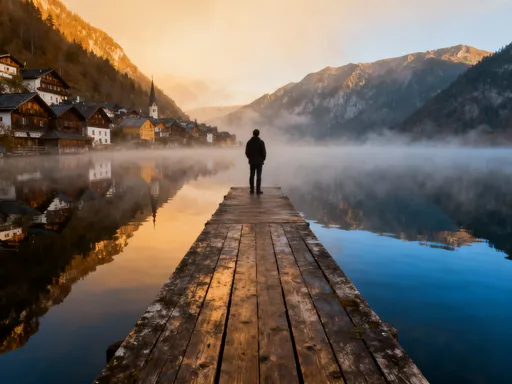
Nestled in the heart of Austria, Salzkammergut feels like a dream painted in alpine greens and lake blues. I went seeking quiet, but found something better—public spaces where nature and community truly connect. From wooden lakeside piers to mountain meadows turned open-air gathering spots, these shared places hold the soul of the region. It’s not just scenery; it’s belonging. And honestly? I didn’t expect to feel so at home in a place so grand.
Discovering the Spirit of Salzkammergut Through Shared Spaces
The Salzkammergut region, stretching across Upper Austria, Salzburg, and Styria, is a UNESCO World Heritage landscape celebrated for its breathtaking alpine vistas, mirror-like lakes, and historic salt mines. Yet beyond the postcard panoramas lies a quieter, deeper truth—one that unfolds not in grand monuments but in the humble, well-worn corners of everyday life. The true spirit of Salzkammergut lives in its shared spaces: the footpaths trodden by generations, the lakeshores open to all, and the village greens where neighbors meet without ceremony. These are not curated attractions but living parts of a cultural fabric woven over centuries.
What makes these public areas remarkable is their accessibility. Unlike many tourist destinations where beauty is privatized behind gates or price tags, Salzkammergut’s most cherished spots remain open and free. A grandmother walks her dog along the same forest trail a student takes to school. A fisherman casts his line from a public dock used by swimmers and boaters alike. This seamless integration of nature and community reflects a long-standing tradition of communal land use, rooted in Alpine customs that value shared stewardship over individual ownership. For centuries, villages here have relied on collective access to forests for firewood, lakes for fishing, and meadows for grazing—practices that have evolved into a modern culture of public inclusivity.
Today, this heritage translates into an experience that feels both rare and deeply grounding. While tourism has grown, the region has managed to preserve the integrity of its public spaces, resisting overdevelopment and commercial encroachment. Visitors are not merely spectators but temporary participants in a way of life that prioritizes harmony with nature and with one another. It is this balance—between preservation and use, between solitude and connection—that gives Salzkammergut its enduring appeal. To walk through these spaces is to understand that beauty, when shared, becomes something more than scenery. It becomes a form of belonging.
Lakeside Life: Where Water Meets Community
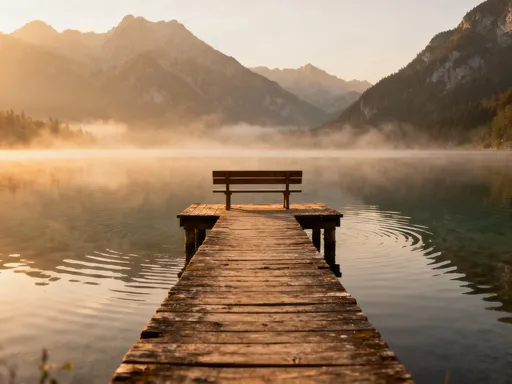
The lakes of Salzkammergut are not just natural wonders—they are the lifeblood of communal living. Hallstätter See, with its iconic village clinging to the mountainside, offers more than just a photogenic backdrop. Its shores are dotted with public access points where locals and visitors alike slip into the cool, clear water. These are not exclusive beach clubs but open swimming zones, often marked only by a wooden sign and a few flat stones arranged for sitting. Families spread towels on sun-warmed rocks, children jump from low docks, and swimmers glide silently across the surface, their strokes echoing in the morning stillness.
Along Wolfgangsee, the tradition of public bathhouses endures. Simple wooden structures, some over a century old, stand at the water’s edge, offering changing rooms and storage for towels and shoes. These bathhouses are maintained by local associations and open to all, embodying a culture of shared care. There is no fee, no reservation, no expectation—only the unspoken understanding that each person will respect the space and leave it as they found it. It is a model of trust, one that thrives because it is rooted in long-standing community values.
Dock areas function as informal gathering spots, where people linger after a swim or wait for the next ferry. These are not designed as social spaces in the modern sense, yet they naturally foster connection. A fisherman might share tips with a curious child. A pair of hikers might strike up a conversation while drying their boots in the sun. The rhythm of lakeside life is slow, unhurried, shaped by the tides of nature rather than the demands of schedules. The scent of pine and lake water mingles with the faint tang of wet wood. The sound of oars dipping into water or the distant chime of a church bell across the bay adds to the quiet symphony of daily life.
Traunsee, the largest lake in the region, exemplifies how public access supports both recreation and transit. Ferry landings connect villages without the need for long drives, making boats a practical, everyday mode of transport. Picnic spots with simple wooden tables and benches are scattered along the shore, inviting people to pause and share a meal. These spaces are not manicured or branded; they are functional, modest, and deeply loved. In a world where natural beauty is often commodified, Salzkammergut’s lakes remain refreshingly unpolished—places where the focus is not on consumption but on presence.
Village Squares and Churchyards: The Quiet Hubs
While the lakes and forests draw people outward, the heart of community life in Salzkammergut beats in its village centers. Here, the village square—or Marktplatz—serves as a quiet stage for daily rhythms. In towns like Obertraun and St. Wolfgang, these open spaces are not designed for grand events but for the small, meaningful moments of communal existence. A weekly market might bring farmers selling honey, cheese, and fresh bread. An elderly couple might sit on a bench, watching the world go by. Children chase each other between flower boxes while their parents chat nearby.
These squares are more than just physical spaces; they are social anchors. Their design is simple—paved with local stone, lined with modest buildings, and shaded by mature trees—but their function is profound. They provide a neutral ground where people from all walks of life can converge without pretense. There are no entry fees, no dress codes, no exclusivity. A tourist can sit beside a local baker, both enjoying the same afternoon light. The absence of commercial pressure allows for genuine interaction, where a smile or a nod carries more weight than a transaction.
Equally important are the open areas surrounding parish churches. In many villages, the churchyard is not a place of solemnity alone but of gentle activity. After Sunday service, families gather to talk. Elders walk the perimeter paths, their footsteps familiar and steady. The church itself may be centuries old, but the space around it remains alive, adapting to the needs of each generation. These areas are maintained with care—grass neatly trimmed, flower beds tended—but never overdone. There is a deep respect for quiet enjoyment, an understanding that some spaces are meant for reflection as much as for connection.
The unspoken rules of these hubs are clear: speak softly, move slowly, respect the presence of others. There is no need for signage or enforcement; the culture itself enforces courtesy. This quiet discipline is not born of rigidity but of shared values. People behave well not because they are watched, but because they feel part of something larger. In an age of noise and distraction, these village centers offer a rare gift: the comfort of stillness, the strength of continuity, and the simple joy of being together without agenda.
Forest Paths and Alpine Trails as Public Highways
The dense network of forest paths and alpine trails in Salzkammergut is more than a hiker’s paradise—it is a system of public highways used by everyone. These trails are not reserved for weekend adventurers with high-end gear. They are part of the daily infrastructure, connecting homes, schools, and workplaces. A mother walks her children to daycare along a wooded path. A farmer checks his upland pasture via a centuries-old route. An office worker takes a midday stroll to clear her mind before returning to her desk.
What makes this network so effective is its accessibility and maintenance. Trails are clearly marked with standardized signage—white rectangles with red borders—indicating direction, distance, and difficulty. Wooden bridges cross streams, stone steps climb steep inclines, and rest huts offer shelter from sudden mountain weather. These structures are often built and maintained by local alpine associations, volunteer groups that have cared for the trails for generations. Their work ensures that the paths remain safe and passable year-round, a testament to the region’s commitment to shared access.
Equally important is the culture of trail etiquette. Hikers yield to those ascending. Dogs are kept on leashes. Waste is carried out, not left behind. These practices are not enforced by fines but by social expectation. People follow the rules not because they fear punishment, but because they understand their role in preserving the experience for others. It is a system built on mutual respect, where every user is both a beneficiary and a steward.
The trails also reflect a deep knowledge of the land. Routes follow natural contours, avoiding erosion-prone areas. Rest huts are placed where views are best and shelter most needed. Even the timing of use is considered—early mornings for solitude, midday for families, late afternoons for those returning from work. This rhythm is not planned by officials but emerges organically from collective habit. In this way, the trails are not just physical pathways but expressions of a shared way of life—one that values patience, care, and the quiet joy of movement through nature.
How Locals Shape These Spaces Without Owning Them
One of the most remarkable aspects of Salzkammergut’s public spaces is how they are shaped not by ownership, but by stewardship. The concept of Gemeinschaft—a German term meaning community or fellowship—lies at the heart of this culture. It is not about legal title or private control, but about a collective sense of responsibility. People care for these spaces not because they own them, but because they belong to them in a deeper, more meaningful way.
This stewardship takes many forms. Volunteer groups organize seasonal clean-up days, removing litter and repairing damaged signs. Local cooperatives manage access to fishing rights or forest resources, ensuring sustainable use. Municipalities invest in maintenance, but often in partnership with civic organizations. Knowledge is passed down through families—how to build a dry-stone wall, where the best mushrooms grow, when to avoid certain trails during nesting season. This generational wisdom reinforces the idea that these spaces are not temporary assets but lasting legacies.
The absence of commercialization is striking. There are no pay-per-use models, no privatized viewpoints, no branded experiences. A family picnic does not require a reservation. A swim in the lake does not come with a fee. This openness is not accidental; it is the result of deliberate cultural choices. Communities have chosen to prioritize access over profit, shared experience over exclusivity. The result is a landscape that feels generous, inclusive, and deeply human.
What emerges from this system is a strong sense of pride. Locals do not take these spaces for granted. They protect them because they see themselves in them. A well-kept trail is a reflection of community values. A clean lakeshore is a point of honor. This pride is not boastful but quiet, expressed in daily actions rather than loud declarations. It is a humility rooted in care, a belief that the best things in life are not owned but shared.
What Travelers Can Learn From This Model
For visitors, engaging with Salzkammergut’s public spaces offers more than scenic beauty—it offers a different way of traveling. Too often, tourism is about collecting images, checking destinations off a list, or seeking the perfect backdrop for a photograph. In Salzkammergut, the experience shifts from observation to participation. You are not just seeing a place; you are stepping into its rhythm.
This requires a change in mindset. Instead of rushing from one viewpoint to the next, you learn to slow down. You sit on a public bench and watch the light change on the water. You walk a forest path without rushing to the summit. You listen more than you speak. You follow local cues—stepping aside for an elder on the trail, speaking softly near a churchyard, leaving no trace of your presence. These are not rules imposed from above, but invitations to align with a culture of respect.
When you travel this way, the rewards deepen. You begin to notice details you might otherwise miss—the way sunlight filters through beech leaves, the sound of a distant cowbell echoing through the valley, the warmth of a nod from a stranger. These small moments accumulate into a richer, more meaningful experience. You are no longer just passing through; you are, however briefly, part of the fabric.
Responsible behavior becomes second nature. You carry out your trash. You stay on marked paths. You avoid loud conversations in quiet zones. These actions are not sacrifices but gestures of gratitude. They acknowledge that you are a guest in a living community, not the center of a performance. In return, you gain something rare: a sense of connection, not just to a place, but to the people who care for it.
Why These Public Spaces Matter Beyond Tourism
The preservation of public spaces in Salzkammergut is not just a benefit for travelers—it is essential for the well-being of the region itself. These shared areas support environmental sustainability by encouraging low-impact recreation, reducing the need for motorized transport, and fostering a culture of conservation. When people feel connected to a landscape, they are more likely to protect it. The trails, lakes, and meadows are not just used; they are loved, and that love translates into action.
Equally important is the social function of these spaces. In an era of increasing isolation, they provide opportunities for connection—between generations, between neighbors, between visitors and hosts. They are democratic by design, open to all regardless of income, background, or status. A child playing on a public dock has the same right to be there as a visiting dignitary. This equality fosters a sense of dignity and belonging that strengthens the social fabric.
Salzkammergut’s model offers a blueprint for other destinations facing the pressures of overtourism and commercialization. It shows that beauty does not have to be monetized to be valued. It demonstrates that access and preservation can coexist when communities are empowered to care for their own spaces. And it reminds us that the most meaningful travel experiences are not those that impress, but those that transform.
So as you plan your journey, consider not just where you will go, but how you will be. Will you take only photos, or will you also leave respect? Will you seek solitude, or will you also open yourself to connection? The public spaces of Salzkammergut invite you to travel thoughtfully—to not just see beauty, but to honor the quiet, enduring spaces that make it possible. In doing so, you do more than visit a place. You become part of its story, even if only for a day.