Lost in Antalya’s Soul: A Slow Traveler’s Journey Through Hidden Corners
You know that feeling when a place just gets you? Antalya, Turkey, hit me like a warm sea breeze I didn’t see coming. Forget rushed tours and crowded hotspots—this is about wandering without a map, sipping tea with locals, and finding magic in quiet courtyards. I spent weeks diving into its theme areas—old quarters, coastal paths, market lanes—not as a tourist, but as a temporary local. What I discovered wasn’t just beauty, but rhythm. This is slow travel at its most soulful.
The Call of Slow Travel in a Fast World
In an age where we book weekend getaways with military precision and race through city itineraries packed with ten attractions in eight hours, the idea of moving slowly through a destination feels almost radical. Yet, more travelers are beginning to question this relentless pace. There’s a quiet revolution underway—one that values presence over productivity, connection over collection. Slow travel is not a new trend, but a return to something fundamental: the art of being in a place, not just passing through it. Antalya, with its layered history, sun-drenched coastlines, and deeply rooted culture, offers the perfect canvas for this mindful approach.
What defines slow travel isn’t the number of days spent, but the quality of attention given. It’s choosing to sit in a neighborhood café for an hour, watching the rhythm of daily life, rather than ticking off another museum. It’s allowing curiosity to guide your steps instead of a GPS pin. In Antalya, this mindset unfolds naturally. The city doesn’t shout for attention; it whispers. Its charm isn’t in grand monuments alone, but in the way light falls on weathered stone in the late afternoon, or how a shopkeeper offers you tea simply because you paused to admire his hand-carved frames.
Modern tourism often prioritizes visibility—what can be photographed, shared, and validated online. But in doing so, it risks flattening the soul of a destination. The true essence of a place like Antalya isn’t captured in a single Instagram post from Hadrian’s Gate, but in the accumulated moments: the laughter shared with a fisherman mending his net, the scent of grilled corn from a street cart at dusk, the sound of children playing behind a courtyard wall. Slow travel restores depth to the journey. It invites us to trade efficiency for experience, and in return, offers something far more lasting: a sense of belonging, however fleeting.
Stepping into Kaleiçi: Where Time Slows Down
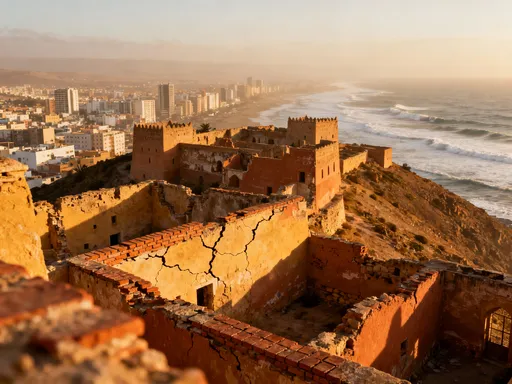
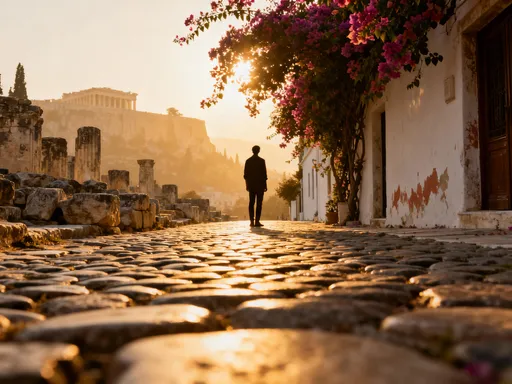
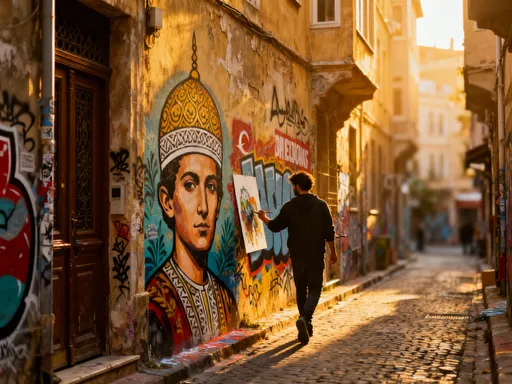
Kaleiçi, Antalya’s historic old town, is where time seems to soften at the edges. Encircled by remnants of ancient walls, this labyrinth of narrow lanes and Ottoman-era houses feels less like a preserved relic and more like a living, breathing neighborhood. Walking through its cobblestone streets, you’re not just observing history—you’re stepping into it. The buildings lean slightly, their wooden balconies draped with bougainvillea, and every turn reveals a new surprise: a tucked-away fountain, a cat sunning on a windowsill, or a hidden garden courtyard blooming with jasmine.
There’s a rhythm here that resists haste. Shops sell handwoven rugs, copperware, and spices in small burlap sacks, not for mass consumption, but for those who take the time to look. I remember one morning, drawn by the rhythmic tapping of a hammer, I found an elderly craftsman repairing an ornate wooden door. He didn’t speak much English, and I spoke even less Turkish, but he gestured for me to sit on a low stool. Over the next hour, he showed me how the joints fit together, how the wood was treated to withstand the coastal air. It wasn’t a performance for tourists—it was his life’s work, shared simply because I had paused long enough to notice.
The sensory richness of Kaleiçi is profound. At dawn, the air carries the faint sweetness of orange blossoms mingling with the salt from the nearby sea. By midday, the sun warms the limestone walls, releasing a dry, earthy scent. And as evening approaches, the call to prayer drifts across the rooftops, soft and resonant, a reminder that this is not just a place of tourism, but of residence, of faith, of continuity. In these moments, the distinction between visitor and local begins to blur. You stop being an observer and start becoming part of the scene—not by force, but by presence.
The Coastal Path: Walking the Rhythm of the Sea
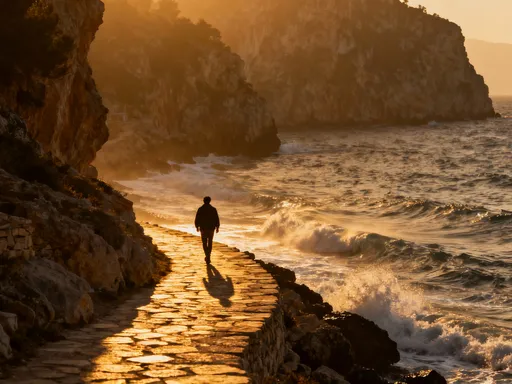
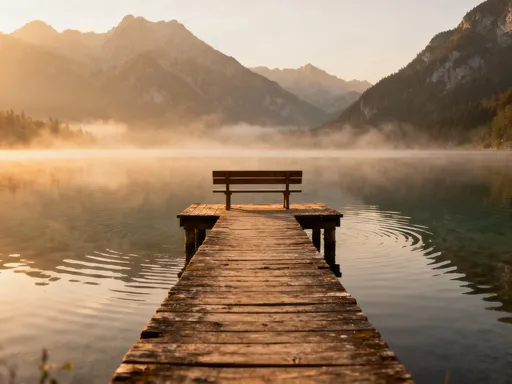
One of the most transformative experiences in Antalya is walking the coastal path that winds along the cliffs just outside Kaleiçi. Unlike the bustling marina or the manicured beach resorts, this trail offers solitude and uninterrupted views of the Mediterranean. The path, paved with worn stone and shaded in parts by pine trees, follows the natural curve of the shoreline, rising and falling with the terrain. With the sea below and the city behind, each step feels like a meditation—a slow synchronization with the pulse of the waves.
Walking here isn’t about distance or speed. It’s about pausing. There are natural vantage points along the way—flat rocks jutting over the water, small benches tucked into alcoves—where stopping feels not just allowed, but necessary. I found myself lingering at one such spot, watching a lone fisherman lower his line into a turquoise cove. He didn’t catch anything during the hour I sat there, but he didn’t seem to mind. His stillness was its own kind of productivity. In that moment, I understood that time spent doing nothing can be the most meaningful of all.
This path also reveals a different side of Antalya—one not shaped by tourism, but by geography and daily life. Local families picnic on weekends, spreading blankets on the grassy areas above the sea. Children climb on the rocks, laughing as the spray catches them. Fishermen haul in their nets at dawn, their silhouettes sharp against the rising sun. Walking among them, you’re not a spectator. You’re simply another person moving through the landscape, connected by the shared experience of being outdoors, of breathing the same air, of feeling the sun on your skin.
Unlike the fleeting glimpses offered by bus tours or boat excursions, walking allows for a deeper, more intimate connection with the environment. You notice the texture of the rock, the way the light shifts on the water throughout the day, the sound of cicadas in the afternoon heat. These details don’t register when you’re rushing from one attraction to the next. But when you move slowly, they become the very fabric of your memory. The coastal path doesn’t just lead you to beautiful views—it teaches you how to see.
Market Days: A Symphony of Senses and Stories
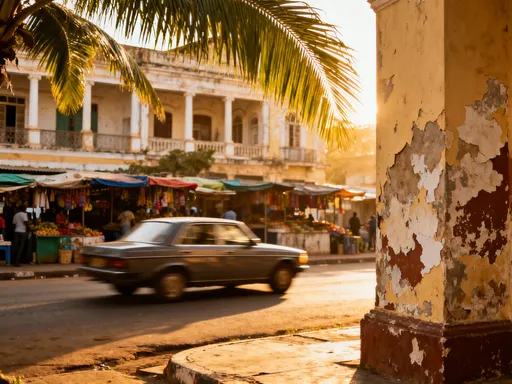
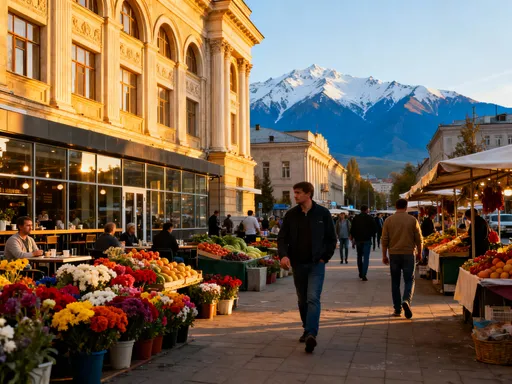
If Kaleiçi is the heart of Antalya, then the weekly markets are its voice. Held in different neighborhoods on rotating days, these open-air bazaars are not staged for tourists—they are vital parts of community life. Stalls stretch for blocks, overflowing with seasonal produce, handmade textiles, and household goods. The colors are staggering: deep red pomegranates, emerald bunches of parsley, golden pyramids of apricots, and baskets of figs so ripe they seem to glow.
But the real treasure isn’t what’s for sale—it’s the exchange that happens between people. I remember an elderly woman at a fruit stand who, without a word, handed me a slice of fresh watermelon. I tried to pay, but she shook her head and smiled. “For you,” she said in broken English. That small gesture, repeated in different forms throughout the market, became a thread that connected me to the place. A spice seller showed me how to mix cumin and sumac for a local salad, then taught me the phrase *“Afiyet olsun”*—“May it do you good”—to say before eating. These weren’t transactions; they were invitations.
The market is also a place of rhythm and routine. Vendors arrive before sunrise, unpacking crates and arranging displays with care. By mid-morning, the pace quickens—shoppers weave through the aisles, bargaining gently, calling out to friends. The air is thick with the scent of fresh bread, grilled meat, and wild oregano. Music drifts from a radio behind a cheese stand—soft folk melodies that seem to match the tempo of the day. There’s no rush to finish, no pressure to move on. People linger, chat, sample, and reconsider.
For the slow traveler, the market is a masterclass in cultural immersion. It’s where language barriers dissolve into gestures, where kindness is offered freely, and where the act of shopping becomes a form of storytelling. I left with a bag of dried figs and a jar of olive oil, yes—but what I really carried away were the faces, the laughter, the feeling of being welcomed into a moment that wasn’t staged, but real.
Beyond the Old Town: Discovering Neighborhood Rhythms
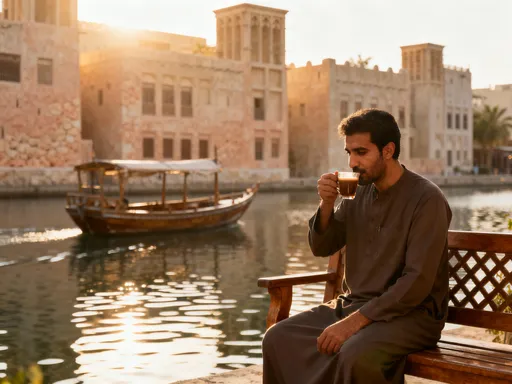
While Kaleiçi draws the majority of visitors, some of Antalya’s most authentic experiences lie just beyond its walls, in the residential neighborhoods that unfold like quiet chapters of a well-worn book. These areas—unmarked by guidebooks and untouched by souvenir shops—reveal the city’s everyday life. Children kick a soccer ball in a small square, their shouts echoing off apartment balconies. Older men gather at corner cafes, sipping tea from tulip-shaped glasses, their conversations flowing like the smoke from their cigarettes.
Walking through these districts, I made a point of moving slowly, of not photographing people without permission, of respecting the boundary between guest and intruder. But even without interaction, simply being present was powerful. I watched a woman hang laundry on a line between buildings, the sheets flapping like sails in the breeze. A baker pulled steaming loaves from his oven, the scent drawing neighbors to his door. These weren’t performances—they were ordinary moments, repeated daily, that form the backbone of community.
One afternoon, I took a local bus to a neighborhood on the city’s edge. The ride itself was an experience—locals nodded politely, a young woman offered me a seat, and the driver greeted regular passengers by name. At my stop, I wandered without direction, eventually finding a small park where families gathered under olive trees. A grandfather played with his granddaughter, tossing a ball gently, while her mother read a book nearby. There were no signs in English, no tourist facilities—just life, unfolding at its natural pace.
Using public transit or renting a bicycle opened even more of these spaces to me. Unlike the insulated experience of a tour van, moving through the city on foot or by bike allows for spontaneity. You can stop when something catches your eye, follow a scent, or turn down a street simply because it looks inviting. These unplanned detours often lead to the most memorable moments—not because they’re dramatic, but because they’re genuine.
Taste as Travel: Meals That Tell Stories
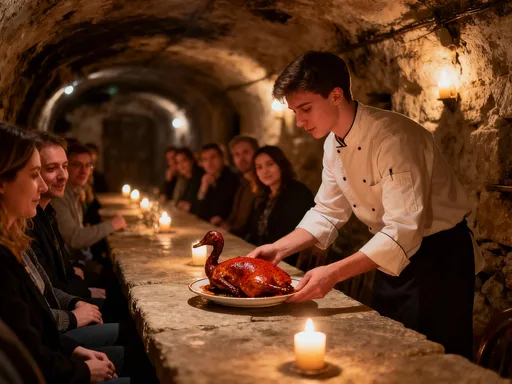
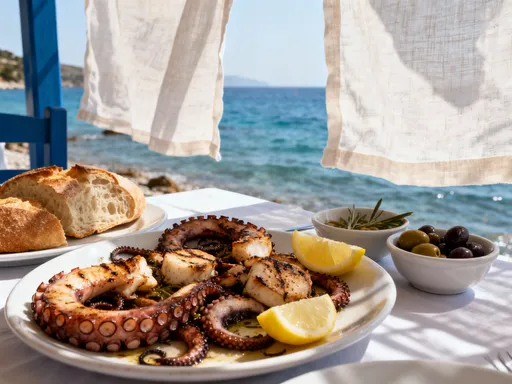
In Antalya, eating is never just about sustenance. It’s a ritual, a social act, a form of storytelling. Meals unfold slowly, especially in the evenings, when families gather at outdoor tables by the harbor or in tucked-away garden restaurants. I found myself drawn to places where the lights were soft, the tables close together, and the air hummed with conversation. One night, I sat at a small waterfront meze house, where the owner brought dish after dish—grilled eggplant, fresh white cheese, marinated olives, and *piyaz*, a white bean salad dressed with olive oil and sumac.
I didn’t order most of it. The owner, seeing me alone, decided I should try “a little bit of everything.” As the plates arrived, he explained each one, not with a rehearsed pitch, but with the pride of someone sharing family recipes. Later, a group at the next table invited me to try their *hamsi*—tiny anchovies fried crisp and served with lemon. We didn’t speak the same language, but we communicated through gestures, smiles, and the universal language of good food.
These meals weren’t about fine dining or celebrity chefs. They were about warmth, generosity, and connection. The food was simple, seasonal, and deeply rooted in the region—anchovies from the Mediterranean, vegetables from nearby farms, herbs picked fresh that morning. Eating slowly, savoring each bite, I realized that food is memory. Years from now, I may not recall the name of the restaurant, but I will remember the taste of grilled peppers, the sound of waves nearby, the feeling of being included.
For the slow traveler, dining is one of the most intimate ways to experience a culture. It requires patience, openness, and a willingness to be surprised. It’s not about checking off the “must-try” dishes, but about allowing the meal to unfold naturally, like a conversation. In Antalya, where hospitality is woven into the fabric of daily life, this approach is not just rewarding—it’s inevitable.
Why Antalya Works for the Mindful Traveler
Antalya succeeds as a destination for slow travel because it offers the ideal balance of accessibility and authenticity. The city is easy to reach, with an international airport and well-connected public transportation, yet it doesn’t feel overrun by mass tourism. Its compact historic center is entirely walkable, allowing visitors to explore at their own pace. At the same time, the surrounding landscape—coastal cliffs, pine forests, and quiet coves—is within easy reach, offering variety without requiring long journeys.
The city’s layered history—Greek, Roman, Byzantine, Ottoman—adds depth to the experience. You don’t need to be a historian to feel it; it’s in the texture of the stones, the design of the doorways, the way old and new buildings stand side by side. But more than history, it’s the people who make Antalya special. The culture is inherently welcoming, with a tradition of hospitality that feels genuine, not performative. Locals don’t just tolerate tourists—they often seem genuinely pleased when someone takes a real interest in their way of life.
For those planning a visit, a few practical choices can enhance the slow travel experience. Staying in a family-run guesthouse in Kaleiçi or a nearby neighborhood allows for deeper connection than a large hotel. Visiting in the shoulder seasons—late spring or early autumn—means milder weather and fewer crowds, making it easier to move through the city without feeling rushed. Renting a bicycle or using local buses not only reduces environmental impact but also slows your perspective, allowing you to notice more.
Preparation doesn’t have to conflict with spontaneity. In fact, it can support it. Knowing a few basic Turkish phrases, understanding local customs around meal times and greetings, and having a loose sense of the city’s layout can free you to wander without anxiety. The goal isn’t to eliminate planning, but to plan in a way that creates space for the unexpected—the chance encounter, the unmarked path, the invitation to share tea with a stranger.
Conclusion: Carrying the Rhythm Home
Leaving Antalya, I didn’t feel the usual traveler’s fatigue—the kind that comes from trying to see too much in too little time. Instead, I felt a quiet fullness, as if I had absorbed something essential. The city hadn’t just shown me its sights; it had taught me a different way of moving through the world. It reminded me that travel isn’t about accumulation, but about attention. It’s not how many places you visit, but how deeply you inhabit one.
Slow travel isn’t a luxury reserved for those with unlimited time or resources. It’s a choice—a decision to prioritize presence over productivity, connection over convenience. Antalya, with its gentle pace, rich culture, and natural beauty, offers a powerful reminder that the best journeys aren’t measured in miles, but in moments of meaning.
As I settled back into my daily routine, I found myself carrying Antalya with me—not in souvenirs, but in rhythm. The way I pause to notice the light through the trees, the way I take time over a meal, the way I smile at a stranger. These small shifts are the true legacy of slow travel. So I invite you to consider: what if your next trip wasn’t about escape, but return? Return to yourself, through a place that lets you breathe, listen, and remember what it means to be truly present.