You Won’t Believe These Secret Spots in Battambang
Battambang, Cambodia, is more than just a sleepy riverside town—it’s a gateway to hidden beauty most travelers miss. I stumbled upon quiet temples, untouched nature trails, and scenic views that felt like my own little secret. From bamboo trains to misty hilltops, this place surprised me at every turn. If you're craving authentic charm without the crowds, Battambang’s off-the-beaten-path gems are waiting. Let me show you what the guidebooks often overlook.
Why Battambang Stands Out in Cambodia’s Travel Scene
Battambang occupies a quiet corner of northwestern Cambodia, cradled along the banks of the Sangkae River. Unlike the bustling streets of Phnom Penh or the temple-packed plains of Siem Reap, this provincial capital moves at a gentle rhythm, where life unfolds slowly and authentically. It is Cambodia as it once was—untouched by mass tourism, yet rich in culture, history, and natural beauty. The town’s French colonial architecture, with shuttered windows and faded pastel facades, lines tree-shaded avenues, giving it a distinctly European flair that contrasts beautifully with traditional Khmer homes and vibrant market life.
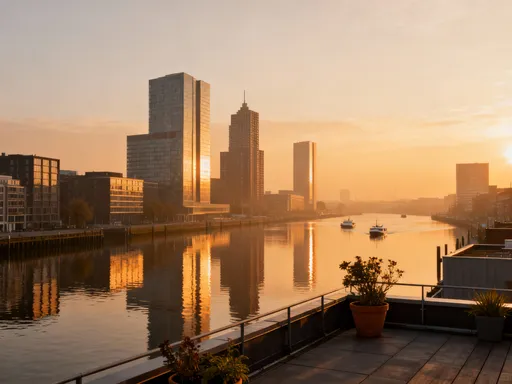
What makes Battambang truly special is its ability to offer depth without distraction. Visitors aren’t funneled from one crowded attraction to another; instead, they are invited to wander, observe, and connect. The riverfront, especially along Sisowath Quay, becomes a living postcard at dusk, where families stroll, children play, and the golden light reflects off the water. This is a place where travelers can breathe, where time feels more generous, and where experiences unfold naturally rather than being orchestrated for tourist consumption.
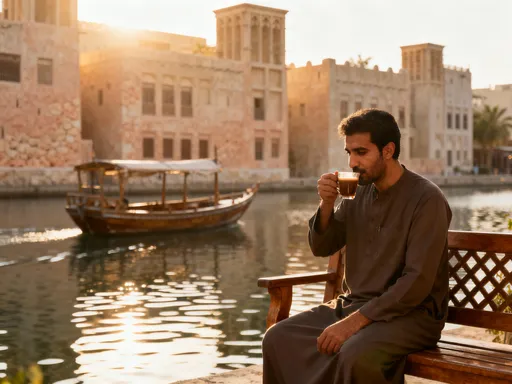
For those seeking a deeper understanding of Cambodian life, Battambang delivers. The pace allows for meaningful interactions—sharing a smile with a local vendor, learning a few words in Khmer, or simply sitting with a cup of strong, sweet coffee while watching the world go by. Its cultural offerings, from traditional Apsara dance performances to artisan workshops, are presented with sincerity rather than spectacle. In a country often associated with the grandeur of Angkor Wat, Battambang reminds us that beauty also lives in stillness, in simplicity, and in the everyday moments that define a place.
The Bamboo Train Ride: More Than Just a Joyride
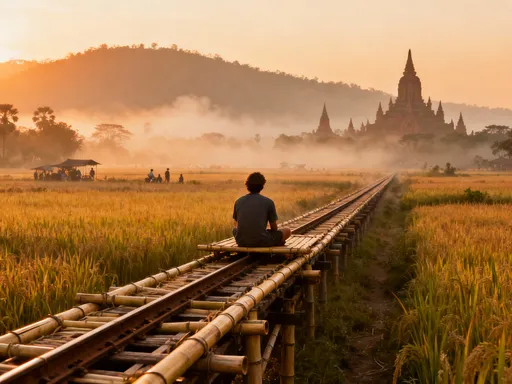
One of Battambang’s most iconic experiences, the bamboo train—known locally as norries—is a remarkable blend of ingenuity and charm. These simple, low-slung platforms made of bamboo and powered by small engines glide along narrow-gauge tracks that once served Cambodia’s rail network. The journey begins just outside town and winds through a landscape of endless rice paddies, dotted with water buffalo and thatched-roof homes. As the train clatters forward, the breeze carries the scent of damp earth and growing rice, and the rhythm of the ride becomes almost meditative.
The route stretches about seven kilometers to Wat Banan, a modest hilltop temple often compared to a smaller version of Phnom Bakheng in Siem Reap. Along the way, travelers pass small villages where children wave excitedly and farmers pause from their work to smile at the passing train. The experience is not about speed or luxury; it’s about immersion. There are no glass windows or guided commentary—just open air, unfiltered views, and a rare opportunity to witness rural Cambodia as it truly is.
For those concerned about safety, the bamboo train is remarkably well-managed. Operators are experienced, the tracks are maintained, and the vehicles are lightweight, allowing them to be quickly disassembled if two trains meet on the single track—a common occurrence that has become part of the charm. To avoid the busiest times, it’s best to ride early in the morning or late in the afternoon when the light is soft and the temperatures are cooler. Most visitors find the journey exhilarating without being intimidating, making it ideal for families, solo travelers, and those who appreciate offbeat adventures.
Beyond the thrill, the bamboo train represents resilience and resourcefulness. After years of disuse due to conflict and neglect, locals repurposed the abandoned railway into a sustainable tourist attraction that supports the community. Riding it is not just a scenic excursion—it’s a small act of cultural preservation and economic empowerment. By choosing to experience it, travelers contribute directly to the livelihoods of the people who operate and maintain it.
Phnom Sampov: Sunset Views and Hidden Caves
Rising just a few kilometers north of Battambang town, Phnom Sampov is a limestone hill that offers one of the most breathtaking vantage points in the region. The climb is gentle, paved with steps that wind through shaded pathways and past small shrines. At the summit, a sweeping panorama unfolds—endless green fields, the winding Sangkae River, and the distant silhouette of the Cardamom Mountains. But the true magic happens at dusk, when millions of bats emerge from the hill’s vast cave networks in a swirling, pulsating river of wings.
This nightly exodus is one of nature’s most underrated spectacles. As the sun dips below the horizon, the sky darkens, and suddenly, a stream of bats begins to pour from the mouth of the cave. Within minutes, the air is alive with movement, a living cloud that spirals outward before dispersing across the countryside to feed. Locals believe the bats bring good luck, and visitors often find themselves transfixed, cameras in hand, as the natural drama unfolds. It’s a reminder of the quiet wonders that exist beyond human-made attractions.
Phnom Sampov is also home to Wat Sampeou, a temple complex that blends spiritual significance with solemn history. Perched atop the hill, the temple features traditional Khmer architecture, colorful statues of Buddha, and prayer flags fluttering in the breeze. But it also serves as a memorial site, with a stupa containing the remains of victims from the Khmer Rouge era. Visitors are encouraged to approach with respect, removing shoes before entering sacred spaces and speaking quietly in remembrance.
For those interested in exploration, the hill’s cave systems offer further intrigue. Some are accessible with a flashlight and a sense of adventure, revealing ancient inscriptions, Buddhist altars, and natural rock formations shaped by centuries of water and wind. It’s advisable to visit with a local guide, who can provide context and ensure safety. Bringing water, wearing comfortable shoes, and timing the hike to end at sunset will make the experience even more rewarding. Phnom Sampov is not just a destination—it’s a journey through nature, history, and reflection.
Kamping Puoy Reservoir: A Tranquil Escape
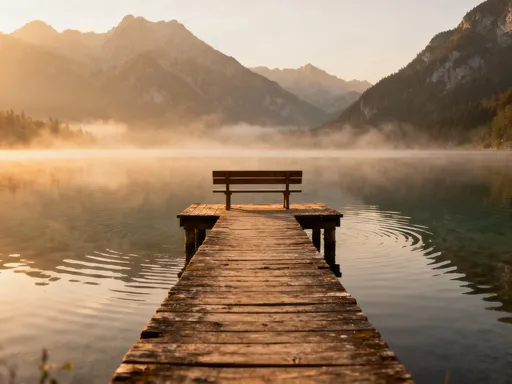
Just a short ride from Battambang lies Kamping Puoy Reservoir, a serene body of water often overlooked by mainstream tourism. Also known as Yeak Laom Lake, this man-made reservoir is surrounded by lush forest and rolling hills, creating a peaceful oasis perfect for relaxation and light adventure. The water is calm and reflective, especially in the early morning when mist hovers above the surface like a delicate veil. Birdwatchers will appreciate the variety of species that inhabit the area, from kingfishers and herons to seasonal migrants that pass through during cooler months.
The reservoir offers several ways to enjoy its beauty. Kayaking is a popular option, allowing visitors to paddle quietly across the water and absorb the stillness. Rentals are available locally, and no prior experience is necessary—the lake is calm and forgiving. For those who prefer to stay on land, biking trails circle the perimeter, passing through shaded groves and small farming communities. Picnic areas are scattered throughout, making it an ideal spot for a light lunch or afternoon tea with a view.
What makes Kamping Puoy so special is its quiet authenticity. Unlike more developed tourist lakes in Southeast Asia, this place remains largely untouched. There are no loud vendors, no overcrowded docks, and no commercialized attractions. Instead, visitors find peace, fresh air, and the simple pleasure of being in nature. Families come to fly kites, couples stroll along the shore, and solo travelers sit quietly, reading or journaling beneath the trees.
To make the most of a visit, it’s best to arrive early in the day when temperatures are cooler and the light is soft. Bringing a hat, sunscreen, and plenty of water is recommended, especially during the dry season. While there are basic refreshment stands nearby, packing a few snacks ensures comfort and convenience. Whether spending an hour or half a day, Kamping Puoy offers a gentle reminder that some of the best travel moments happen not in grand settings, but in quiet places where the soul can rest.
Banteay Chhmar Satellite Temples: Ancient Beauty Off the Grid
While Angkor Wat draws millions, a network of lesser-known temples near Battambang offers a more intimate glimpse into Cambodia’s Angkorian heritage. These satellite sites, including Prasat Preah Vihear (not to be confused with the border temple of the same name) and smaller ruins scattered across the countryside, were once part of a vast religious and administrative network. Built during the 11th and 12th centuries under King Jayavarman VII, they reflect the same architectural grandeur as their famous counterparts but without the crowds or commercialization.
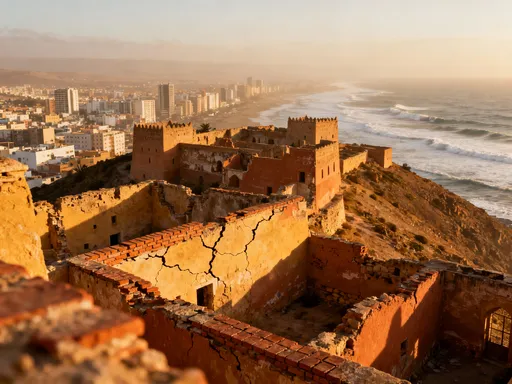
Visiting these temples feels like stepping into a forgotten world. Moss-covered stones, intricate carvings of deities, and quiet courtyards overgrown with roots and vines create an atmosphere of mystery and reverence. Unlike the meticulously restored sites in Siem Reap, these ruins are preserved in a more natural state, allowing visitors to experience the passage of time in a tangible way. The absence of loud tour groups and souvenir stalls enhances the sense of discovery, making each temple feel like a personal find.
Reaching these remote sites requires some planning. While a few are accessible by motorbike or bicycle, others are best visited with a local guide who knows the terrain and can provide historical context. Some roads are unpaved, and signage is minimal, so navigation can be challenging without assistance. However, the effort is rewarded with solitude, authenticity, and a deeper appreciation for Cambodia’s rich past.
As interest in sustainable and responsible tourism grows, these temples present an opportunity to support preservation efforts. Travelers are encouraged to follow ethical guidelines: staying on designated paths, avoiding touching carvings, and refraining from removing any materials. By visiting with care and respect, tourists help protect these sites for future generations while contributing to local economies through guided tours and community-based tourism initiatives.
Local Markets and Riverside Walks: Finding Charm in the Everyday
One of the greatest joys of visiting Battambang is discovering its everyday rhythms. The morning market, located near the riverfront, is a vibrant hub of local life. Stalls overflow with fresh produce—mangoes, dragon fruit, leafy greens, and fragrant herbs—while butchers, fishmongers, and spice vendors call out to passersby. This is not a market staged for tourists; it’s where residents shop, bargain, and begin their day. Observing the flow of activity offers a genuine window into Cambodian culture, where food, family, and community are deeply intertwined.
For travelers, the market is also a culinary adventure. Street food vendors serve up delicious, affordable dishes like nom banh chok (Khmer rice noodles in fish-based green curry), grilled skewers, and sweet coconut pancakes. Eating here isn’t just about flavor—it’s about connection. Sitting on a low plastic stool, sharing a meal with locals, and attempting a few phrases in Khmer can lead to warm smiles and unexpected conversations. Many visitors find these informal moments to be the most memorable parts of their journey.
As the day winds down, the riverside transforms into a place of quiet beauty. Sisowath Quay comes alive with walkers, cyclists, and families enjoying the evening breeze. Street performers play traditional instruments, and small cafes set up tables under strings of lights. A simple coffee or fresh coconut at a family-run stall becomes a moment of reflection, a chance to slow down and absorb the atmosphere. There are no grand events or staged performances—just the gentle rhythm of life unfolding along the water’s edge.
Supporting small businesses—whether buying a handmade souvenir, dining at a local eatery, or staying at a family-run guesthouse—enhances the experience and makes a real difference in the community. These small acts of engagement foster mutual respect and create lasting memories. In a world where travel can sometimes feel transactional, Battambang reminds us that the most meaningful connections are often the simplest.
How to Plan Your Own Low-Key Adventure in Battambang
Planning a visit to Battambang is refreshingly straightforward. Most travelers find that two to three days are sufficient to explore the town and its surrounding highlights without feeling rushed. The best time to visit is between November and February, when temperatures are cooler and rainfall is minimal. This period offers comfortable conditions for outdoor activities like biking, hiking, and temple visits, while also coinciding with clear skies ideal for photography and sunset viewing.
Getting to Battambang is easy from major cities. Direct buses run daily from Phnom Penh and Siem Reap, with travel times of about six and five hours respectively. The ride is comfortable, and many operators offer Wi-Fi and bottled water. For those seeking a more scenic route, the bamboo train can be part of a one-way journey, though return transportation by car or moto is usually arranged in advance. Within the town, walking, cycling, and moto taxis are the most common and affordable ways to get around.
Accommodation options cater to a range of preferences and budgets. Family-run guesthouses offer clean, simple rooms with warm hospitality, often including home-cooked breakfasts and local tips. For a touch more comfort, boutique hotels blend colonial charm with modern amenities, featuring courtyards, gardens, and attentive service. Staying in the town center provides easy access to markets, restaurants, and the riverfront, making it convenient for both daytime exploration and evening relaxation.
Budget-wise, Battambang is remarkably affordable. Meals at local eateries cost just a few dollars, entrance fees to attractions are minimal, and transportation is inexpensive. This makes it an ideal destination for travelers who want to experience authentic Cambodia without straining their finances. More importantly, it allows visitors to focus on what truly matters—the people, the landscapes, and the moments of quiet discovery that define a meaningful journey.
Battambang isn’t about ticking boxes—it’s about slowing down and finding beauty in the quiet corners. These scenic, secret spots offer a deeper connection to Cambodia’s landscape and spirit. When you choose to explore beyond the obvious, you don’t just see a place—you feel it. And that makes all the difference.