Taste of the Island: How Zakynthos Feeds Your Soul
Greece isn’t just about sunsets and sea caves—on Zakynthos, it’s about what ends up on your plate. I didn’t expect the food to steal the show, but every bite, from seaside tavernas to village squares, told a story. This is real, unfiltered island life, where olive oil glistens on warm bread and octopus cooks slowly over open flames. It’s not fancy—it’s honest. And if you know where to look, the island rewards you with flavors you won’t forget. More than a Mediterranean escape, Zakynthos offers a sensory journey rooted in tradition, seasonality, and community. Here, meals are not just sustenance—they are rituals, connections, and memories in the making.
Arrival and First Impressions – The Taste of Zakynthos Begins
From the moment visitors step off the plane, Zakynthos announces itself not just through its golden hills and turquoise coastline, but through scent. The air carries a blend of wild thyme, sun-warmed earth, and the faint briny aroma of the sea—nature’s welcome bouquet. Within minutes, the first culinary encounter often unfolds at a modest café near the terminal or along the streets of Zaki, the island’s rebuilt capital. There, travelers may find themselves seated at a simple wooden table, sipping strong Greek coffee while sampling dakos, a humble dish of soaked barley rusk topped with ripe tomato, crumbled feta, and a generous drizzle of local olive oil. Though originally Cretan, dakos has found a beloved place on Zakynthian menus, symbolizing the island’s openness to regional flavors while maintaining its own culinary identity.
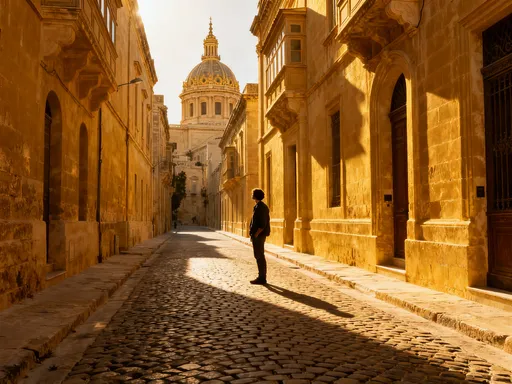
Zakynthos does not rush to impress. Unlike some of Greece’s more commercialized islands, it retains a grounded authenticity. The capital, damaged in past earthquakes and carefully restored, blends neoclassical architecture with everyday island life. Narrow streets lead to family-run bakeries where the scent of sesame bread and honey-dipped pastries lingers in the morning air. Early meals here set a tone not of extravagance, but of connection. A plate of fried zucchini balls, known as kolokythokeftedes, served with thick yogurt, becomes more than a snack—it’s an invitation to slow down and observe. Locals greet each other by name, children chase each other between tables, and time seems to stretch just a little longer.
These initial flavors are not merely about satisfying hunger. They represent the island’s culinary philosophy: fresh, seasonal, and deeply tied to the land and sea. The tomatoes are vine-ripened, the cheese is made from sheep or goat milk sourced from nearby pastures, and the olive oil—dark green and peppery—comes from groves that have stood for generations. Every ingredient has a story, often passed down through families who still tend the same orchards and gardens their ancestors did. For the traveler, this means that even the simplest meal becomes a quiet act of cultural immersion, a first chapter in a deeper narrative about place, people, and taste.
Why Local Food Matters – More Than Just a Meal
In Zakynthos, dining is never just about filling the stomach. It is a social event, a form of storytelling, and a reflection of the Mediterranean way of life that values presence, patience, and togetherness. Meals unfold slowly, often beginning with a spread of meze—small plates of marinated olives, roasted peppers, saganaki cheese, and tender dolmades—followed by grilled fish or slow-cooked stews, and ending with a shot of homemade raki, a clear spirit that warms the chest and seals the evening. This rhythm is not accidental; it is a deliberate pace that mirrors the island’s relationship with time and nature.
The island’s geography plays a crucial role in shaping its food culture. Nestled in the Ionian Sea, Zakynthos benefits from fertile valleys that yield citrus, figs, and potatoes, as well as surrounding waters teeming with fish, squid, and shellfish. Fishermen still bring in their daily catch by small boat, often selling directly to tavernas along the coast. Meanwhile, farmers deliver crates of tomatoes, zucchini, and herbs to village markets each morning. When a restaurant serves grilled sea bream with lemon and oregano, the ingredients may have been in the sea or the soil less than 24 hours earlier. This proximity between source and plate ensures freshness and flavor, but it also reinforces a sustainable food system rooted in local knowledge and tradition.
Choosing to eat locally in Zakynthos is more than a culinary preference—it is a form of cultural participation. Every dish consumed supports small-scale producers, preserves age-old recipes, and honors the island’s agricultural and maritime heritage. Travelers who embrace this approach often find their experience deepens. They begin to notice the subtle differences between summer and autumn tomatoes, learn to recognize the sound of a fisherman hauling his nets, and understand why certain dishes are reserved for specific seasons. This awareness transforms eating from a passive act into an active engagement with the island’s rhythms, creating a connection that lasts long after the trip ends.
Hidden Tavernas – Finding Authenticity Off the Beaten Path
While tourist areas like Laganas and Tsilivi offer convenience and variety, the heart of Zakynthos’ culinary soul beats strongest in its quieter villages. Places like Keri, Volimes, and Lithakia may not appear on every travel blog, but they are where locals gather to eat, laugh, and celebrate. Here, family-run tavernas operate without websites, social media pages, or even printed menus in English. Their reputation rests not on online reviews but on decades of consistency, word-of-mouth loyalty, and the simple truth that the food is exceptional.
These hidden gems often sit in village squares or along winding mountain roads, their tables shaded by grapevines or bougainvillea. There is no stage management here—no curated plating or Instagrammable backdrops. Instead, the experience is raw and real. A grandmother might bring your meal from the kitchen, smiling as she places a steaming plate of stifado—a rich rabbit or beef stew slow-cooked with onions and red wine—on the table. Ordering may require gestures, broken phrases, or simply pointing at what the next table is eating. Yet, this lack of formality is part of the charm. It invites travelers to let go of expectations and embrace the moment, to trust the process and savor the surprise.
The dishes served in these tavernas often reveal a bolder, less-touristed side of Greek cuisine. Bouboutie, for instance, is a traditional dish of grilled lamb offal—intense, smoky, and deeply flavorful—rarely found in resort-area restaurants. Ladotyri, a sharp, hard cheese preserved in olive oil, is another local specialty, often served in thick slices with crusty bread. Even desserts take on a rustic character: melitinia, sweet cheese pastries flavored with mastic or orange zest, are baked in home ovens and shared during festivals. These foods are not designed for mass appeal; they are expressions of identity, passed down through generations and cherished by those who know them best.
Seafood with a View – Coastal Dining Done Right
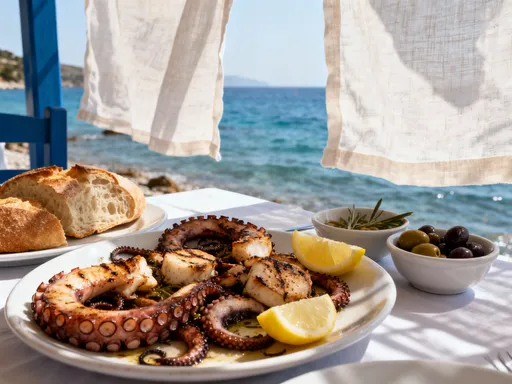
Zakynthos’ coastline is not only a paradise for swimmers and sunbathers but also a premier destination for seafood lovers. In seaside villages like Agios Sostis, Keri, and Xigia, small tavernas perch on rocky outcrops or just above the waterline, their wooden tables shaded by canvas awnings that flap gently in the sea breeze. Dining here is as much about the atmosphere as it is about the food. The sound of waves, the cry of gulls, and the occasional burst of live laïko music from a guitar or bouzouki create a sensory backdrop that enhances every bite.
The concept of “fresh catch of the day” is not a marketing slogan here—it is a daily reality. Fishermen return at dawn with nets full of sea bream, red mullet, sardines, and octopus. Some tavernas have arrangements where the day’s haul is brought directly to the kitchen, cleaned, and grilled within hours. A simple preparation—charred over wood or charcoal, finished with lemon juice and a sprinkle of dried oregano—allows the natural flavor of the fish to shine. Grilled octopus, tender and smoky, is a standout, often served with a side of creamy fava or a crisp Greek salad.
One of the most beloved fish in Zakynthos is barbouni, or red mullet, prized for its delicate pink flesh and rich taste. Fried or grilled, it is typically served whole, a reminder of its journey from sea to plate. Calamari, too, is a staple, either fried to golden perfection or stuffed with rice, herbs, and pine nuts. What sets these meals apart is not complexity, but integrity. There are no frozen imports, no over-seasoned sauces to mask inferior quality. Instead, the focus is on letting the ingredients speak for themselves, enhanced only by the island’s liquid gold—its extra virgin olive oil—and the aromatic wild herbs that grow freely in the hills.
Village Markets and Food Culture – Eating Like a Local
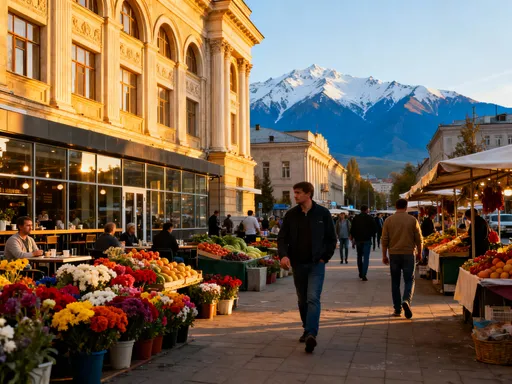
To truly understand Zakynthos’ food culture, one must step beyond restaurants and into its village markets. In towns like Tsilivi, Argassi, and Keri, open-air markets operate several days a week, transforming quiet squares into vibrant hubs of commerce and community. Stalls overflow with seasonal produce: plump figs, glossy eggplants, baskets of capers harvested from rocky cliffs, and jars of honey still clinging to the comb. Vendors, often farmers themselves, stand proudly behind their goods, offering samples with a smile and answering questions in a mix of Greek and broken English.
These markets are not tourist attractions. They are functional, living spaces where food moves directly from field to table. Locals arrive with reusable bags, inspecting tomatoes for ripeness, sniffing herbs for freshness, and bargaining gently over price. The exchange is more than transactional—it is relational. A vendor might remember your name, recommend a new cheese, or save a jar of last season’s olive oil just for you. For travelers willing to engage, these interactions offer a rare glimpse into daily island life, a rhythm shaped by seasons, harvests, and shared knowledge.
Shopping at these markets allows visitors to assemble their own meals, creating personal moments of connection with the island’s bounty. A simple picnic—crusty bread, creamy feta, cured meats like louza (cured pork loin), olives, and a ripe tomato—can become a highlight when enjoyed on a quiet beach or under a fig tree. Preparing and sharing such a meal fosters a deeper appreciation for the ingredients and the care that goes into producing them. It also mirrors the way many locals eat: simply, seasonally, and with gratitude for what the land and sea provide.
Practical Tips – How to Eat Well Without Overpaying
One of the joys of dining in Zakynthos is that excellent food does not require a luxury budget. While it’s easy to spend heavily in tourist-heavy areas, especially near main beaches where laminated menus in seven languages advertise inflated prices, smarter choices exist. The key is to follow the locals. If a taverna is filled with Greek license plates, families, and older villagers, it is almost certainly a good sign. These establishments rely on repeat customers and community trust, so quality and value are consistently high.
Another way to eat well affordably is to take advantage of merida, the Greek lunch special. Many tavernas offer a full meal—soup or salad, a main dish, dessert, and sometimes even a drink—for half the price of the same meal at dinner. This tradition reflects the Mediterranean emphasis on lunch as the main meal of the day. By dining at noon or early afternoon, travelers not only save money but also enjoy a more relaxed atmosphere, often with personalized service from owners who have time to chat.
Cash is still preferred in smaller, family-run spots, even as card payments become more common. Tipping is appreciated but not obligatory; leaving 5 to 10 percent of the bill is considered generous. More important than the amount is the gesture—placing coins or a small note on the table with a smile is a quiet acknowledgment of good service. Timing also matters. Dining at 8 PM, rather than the tourist rush of 7 PM, often means fresher ingredients, as kitchens prepare new batches later in the evening. It also allows for a more peaceful experience, away from crowded reservations and loud music.
Final Bites – Leaving With More Than a Full Stomach
By the end of a visit to Zakynthos, the flavors linger—not just on the palate, but in the mind and heart. The island does not dazzle with culinary theatrics. There are no molecular gastronomy experiments or celebrity chef pop-ups. Instead, it teaches a quieter, more profound lesson: that the best food comes from simplicity, care, and connection. A piece of bread dipped in olive oil is not just a snack—it is a celebration of the harvest. A grilled fish is not just dinner—it is a tribute to the sea and those who fish it.
Travelers return home with more than photographs or souvenirs. They carry a shift in perspective—a renewed appreciation for slow meals, seasonal ingredients, and the joy of sharing food with others. You might find yourself reaching for oregano before salt, grilling fish with lemon and herbs instead of heavy sauces, or taking an extra ten minutes to sit and savor your lunch. These small changes reflect a deeper transformation, one rooted in the values Zakynthos embodies: presence, gratitude, and authenticity.
Zakynthos does not just feed you. It reminds you how to eat—with intention, with pleasure, and with respect for the people and places that make it possible. And in a world that often feels rushed and disconnected, that is a gift worth savoring. The island’s true magic lies not in its cliffs or caves, but in the way a single meal can make you feel rooted, nourished, and profoundly alive. That is the taste of Zakynthos—and it stays with you long after you’ve left its shores.