You Won’t Believe What I Found While Shopping in Valletta
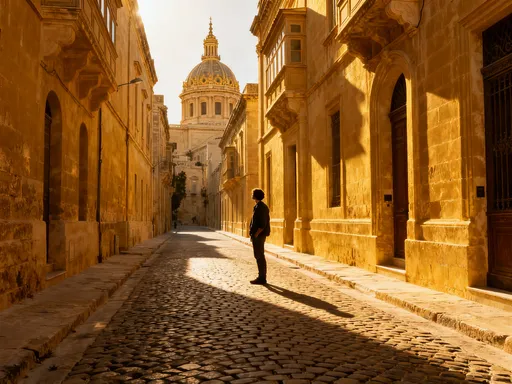
Wandering through Valletta, Malta, I wasn’t just chasing souvenirs—I was chasing beauty. Every shop window framed centuries-old architecture like a living museum. You’d turn a corner and boom: a Baroque church dome rising above a boutique. The streets? Cobbled like they’ve seen knights. Shopping here isn’t transactional; it’s an experience. Where else do you browse handmade lace under golden limestone facades that glow at sunset? This is a city where commerce and culture are stitched together by time, tradition, and stone. Every step feels like walking through a carefully preserved story, where the act of buying a scarf or a piece of jewelry becomes part of something larger—a quiet celebration of heritage, craftsmanship, and place.
First Impressions: A City That Feels Like a Castle in the Sky
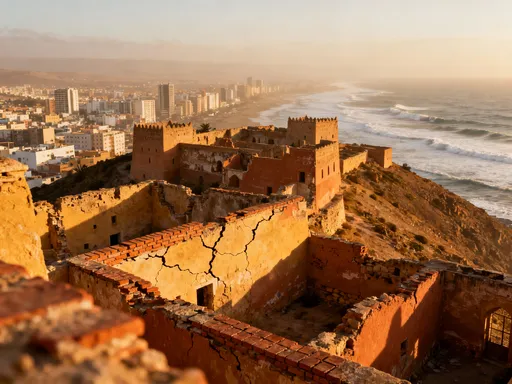
Valletta rises from the Mediterranean Sea like a fortress carved from light. Perched on a narrow peninsula between two natural harbors, the city’s silhouette is defined by limestone walls, bastions, and church domes that catch the sun like polished bone. From the moment you approach—whether by ferry from Sliema or on foot through City Gate—the sense of arrival is powerful. This is not a city that blends into the landscape; it commands it. Built by the Knights of St. John in the 16th century after the Great Siege of 1565, Valletta was designed as both a stronghold and a statement of resilience. Its elevated position offered strategic advantage, but today, it offers something else: breathtaking views and an atmosphere of quiet grandeur.
The verticality of Valletta adds to its dramatic character. Buildings climb the ridge, layered one above the other, their rooftops nearly level with the ramparts. Streets are narrow and steep, some so tight that sunlight only reaches the pavement for a few hours each day. Yet this density creates intimacy. Unlike sprawling modern capitals, Valletta feels contained, almost protective. You’re never far from a view of the sea or a glimpse of a courtyard hidden behind an arched doorway. The city’s military origins shaped its urban fabric—walls thick enough to withstand cannon fire, streets laid out in a grid for efficient troop movement—but today, those same features make it uniquely walkable and visually cohesive.
For the visitor, the first impression is one of time suspended. There’s a stillness in the air, broken only by the distant chime of church bells or the murmur of a guided tour. Even during peak hours, the city retains a sense of order and calm. This isn’t accidental. Valletta’s UNESCO World Heritage status, granted in 1980, ensures that new construction and renovations respect the historic fabric. The result is a city that feels authentic, not staged. Every building, every piazza, every cobblestone tells a story—not just of war and faith, but of daily life carried on for centuries. And in this context, shopping becomes more than consumption; it becomes a form of engagement with history.
The Architecture of Shopping: When Every Storefront Tells a Story
In Valletta, shopping is never just about what’s inside the store—it’s about the building that houses it. The city’s uniform use of local limestone gives it a luminous quality, especially in the late afternoon when the golden light bathes entire streets in warmth. This isn’t merely aesthetic; it’s a testament to centuries of building tradition. The soft, honey-colored stone is both durable and easily carved, allowing for intricate details on doorways, window surrounds, and balconies. Even modern shopfronts must adhere to strict guidelines that preserve the historic character of the façade. A clothing boutique may have a sleek interior, but its entrance will still feature a carved lintel or an iron-railed balcony overhead.
What makes Valletta’s retail landscape unique is how seamlessly commerce integrates with heritage. You’ll find no garish signage or neon lights. Instead, shop signs are often understated—etched into stone, painted in muted tones, or framed in wrought iron. The effect is one of continuity. A 17th-century palazzo might now house a design-led homeware store, but the exterior remains untouched, its grand doorway still bearing the family crest of its original owners. This respect for architectural integrity means that every shopping excursion feels like a tour through history. You’re not just buying a product; you’re stepping into a space that has witnessed generations of Maltese life.
The influence of the Knights of St. John is evident in the city’s layout and design. Many of the grandest buildings were originally built as auberges—lodging houses for the different langues, or divisions, of the Order. Today, some of these have been repurposed as museums, government offices, or high-end retail spaces. Walking past the Auberge de Castille, now the Office of the Prime Minister, you can still feel the weight of its Baroque grandeur. Nearby, smaller buildings that once housed artisans or merchants now host independent boutiques selling local crafts, perfumes, or gourmet foods. The transition from past to present feels natural, not forced. There’s no sense of historical erasure—only adaptation.
Local Crafts in Historic Spaces: Where Tradition Meets Commerce
One of the most rewarding aspects of shopping in Valletta is the opportunity to support local artisans who continue centuries-old traditions. Unlike mass-produced souvenirs, Maltese crafts carry the imprint of cultural identity and skilled hands. Among the most celebrated is bizzilla, the intricate hand-embroidered lace that has been made on the islands for generations. Delicate and time-consuming to produce, this lace is often displayed in small shops along Merchant Street, where women once traded goods in the city’s early market days. To see a pair of lace gloves or a table runner up close is to appreciate the precision and patience behind each stitch.
Equally distinctive is Maltese filigree silverwork. This delicate jewelry-making technique involves twisting fine silver threads into floral and geometric patterns, often inspired by nature or religious iconography. Shops in the heart of Valletta, some tucked into vaulted ground-floor rooms with original stone arches, display earrings, pendants, and brooches that reflect both artistic heritage and contemporary design. Many of these pieces are made on-site or in nearby workshops, allowing visitors to speak directly with the artisans. This personal connection transforms a simple purchase into a meaningful exchange—a small piece of Malta to carry home, made by someone who understands its significance.
Glassblowing is another craft that thrives in Valletta’s historic setting. Though less ancient than lace or silverwork, the art has found a natural home in the city’s creative revival. Small studios, often located in converted townhouses, invite passersby to watch molten glass being shaped into vases, ornaments, or drinking glasses. The process is mesmerizing: glowing orbs spun on rods, cooled slowly to prevent cracking, then polished to a smooth finish. Some pieces incorporate traditional Maltese colors—deep blue, terracotta, and sunlit yellow—echoing the hues of the sea, earth, and sky. Buying a hand-blown glass item isn’t just a shopping act; it’s a way of preserving a living art form.
Markets and artisan lanes offer additional opportunities to engage with local culture. While Valletta doesn’t have large tourist bazaars, it does host periodic craft fairs and pop-up events, particularly in courtyards or under the shade of historic arcades. These gatherings emphasize authenticity over volume, with vendors carefully selected for their craftsmanship. Whether it’s a potter selling hand-thrown ceramics, a perfumer blending scents inspired by Mediterranean herbs, or a bookbinder offering leather journals, these artisans contribute to a retail experience that feels personal and intentional.
Hidden Courtyards and Secret Shops: Off-the-Beaten-Path Finds
Beyond the main thoroughfares of Republic Street and Merchant Street, Valletta reveals its quieter, more intimate side. Venture down a narrow alley, pass beneath a stone archway, and you might stumble upon a hidden courtyard—once the private domain of a noble family, now home to a jewelry studio, a boutique gallery, or a café with outdoor seating under a pergola. These spaces are not always marked on maps, but they are among the city’s most enchanting features. They reward the curious traveler with a sense of discovery, a feeling that you’ve uncovered something special, known only to those who take the time to look.
One such find might be a goldsmith’s workshop tucked into a 17th-century townhouse on a quiet lane off St. Lucia Street. The entrance is unassuming—a heavy wooden door with a small brass plaque—but inside, the space opens into a sunlit atelier where delicate pieces are crafted by hand. The walls are lined with shelves of tools, sketches, and finished works, each labeled with the story behind its design. Perhaps a necklace inspired by the Maltese cross, or earrings shaped like fig leaves, a nod to the island’s agricultural roots. Here, shopping is not hurried; it’s conversational. The artisan might explain the process, offer a cup of mint tea, and let you try on pieces in a setting that feels more like a home than a store.
Another hidden gem could be a secondhand bookshop housed in what was once a chapel. The high ceilings and arched windows remain, now lined with floor-to-ceiling shelves filled with English and Maltese titles. The scent of old paper mingles with the faint trace of incense, a reminder of the building’s past. You might find a vintage guidebook from the 1950s, a collection of Maltese poetry, or a well-worn novel by a British author from the colonial era. The owner, likely a local with a deep love of literature, might recommend a book about Maltese history or folklore. In such a place, every purchase feels like an act of preservation—of stories, of buildings, of memory.
These off-the-beaten-path shops thrive because Valletta, despite its small size, is full of architectural layers. Behind many of its uniform façades lie courtyards, staircases, and interior gardens that were never meant to be seen from the street. Developers and shop owners who restore these spaces often do so with care, retaining original features like stone fountains, tiled floors, or wooden beams. The result is a shopping experience that feels both private and privileged. You’re not just browsing—you’re being invited into a secret.
Modern Retail, Timeless Design: How Valletta Balances Old and New
While Valletta honors its past, it is not frozen in time. A new generation of designers, entrepreneurs, and restaurateurs has brought fresh energy to the city, proving that heritage and modernity can coexist. The key lies in thoughtful integration. Contemporary boutiques don’t clash with historic surroundings because they follow strict design principles. Façades must remain intact, signage must be discreet, and materials must complement the existing architecture. Inside, however, innovation flourishes. Minimalist interiors with clean lines, natural light, and modern fixtures create a striking contrast with ancient stone walls, enhancing rather than detracting from the historic setting.
One example is a concept store located in a restored 18th-century building near the Grandmaster’s Palace. The exterior is unchanged—its limestone façade marked only by a simple wooden door and a small plaque. Inside, the space has been transformed into a curated retail environment featuring Maltese-designed clothing, ceramics, and accessories. The lighting is soft and directional, highlighting products without overwhelming the space. Original arches and vaulted ceilings are preserved, their texture adding warmth and character. The result is a shopping experience that feels both luxurious and authentic—a place where modern design pays homage to the past rather than erasing it.
This balance extends to dining and hospitality. Cafés and wine bars often occupy former stables, storage rooms, or ground-floor apartments, their interiors blending antique furniture with contemporary art. A marble countertop might sit beneath a centuries-old beam; a modern chandelier might hang from a vaulted ceiling. These spaces attract both locals and visitors, creating a vibrant street life that supports small businesses. The success of this model lies in its respect for context. Modern elements are introduced with restraint, ensuring that the city’s historic soul remains intact.
Even international brands that operate in Valletta adapt to the environment. A well-known coffee chain, for instance, might open a location in a historic building, but its interior design will use local materials, muted colors, and furniture that echoes traditional Maltese styles. The logo will be small, the music low, the pace unhurried. This approach reflects a broader understanding: in a city like Valletta, authenticity is the ultimate luxury. Shoppers aren’t looking for sameness; they’re seeking distinction, depth, and connection.
Practical Tips for the Architecture-Loving Shopper
To fully appreciate Valletta’s unique shopping experience, a little planning goes a long way. Comfortable footwear is essential. The city’s streets are paved with worn limestone blocks, some uneven from centuries of foot traffic. While beautiful, they can be tiring to walk on, especially in the heat of summer. Opt for supportive shoes with good grip to navigate the inclines and cobbles with ease. Early mornings are ideal for shopping—light crowds, cooler temperatures, and the best natural light for photographing the golden façades. By 10 a.m., the sun begins to highlight the texture of the stone, creating a warm glow that enhances every storefront.
Public transportation is both convenient and environmentally responsible. The ferry from Sliema offers a scenic approach to Valletta, with panoramic views of the harbor and the city’s fortifications. Arriving by water allows you to appreciate Valletta’s dramatic setting before stepping into its streets. Once inside, the city is compact enough to explore on foot, but hop-on-hop-off buses and local taxis are available for those who need a break. Avoid driving if possible—the narrow streets and limited parking make it more stressful than helpful.
Combine shopping with cultural visits to enrich your experience. St. John’s Co-Cathedral, with its opulent Baroque interior and Caravaggio paintings, is only a short walk from most boutiques. The Grandmaster’s Palace, the National Museum of Archaeology, and the Malta Experience are all within easy reach. For a moment of quiet, head to the Upper Barrakka Gardens, where a panoramic terrace offers sweeping views of the Grand Harbour. Take a break on a stone bench, sip a glass of local wine, and watch the ferries glide across the water. These pauses aren’t distractions—they’re part of the rhythm of Valletta.
When shopping, engage with the vendors. Many are passionate about their products and happy to share stories about their craft, materials, or family history. Ask where an item was made, what techniques were used, or what inspires the design. This conversation adds depth to your purchase and supports ethical, local commerce. And don’t rush. Valletta is not a city for quick transactions. It invites slowness, observation, and presence. Let yourself be drawn into a courtyard, linger in a doorway, pause to admire a carved window frame. These moments are as valuable as any souvenir.
Why Valletta Changes How You See Shopping Forever
Shopping in Valletta is not about filling a bag; it’s about filling a memory. In a world where retail is increasingly digital, impersonal, and disposable, this city offers a powerful alternative. Here, every purchase is embedded in context—architectural, historical, cultural. You’re not just buying a piece of lace; you’re connecting with a tradition that has survived wars, invasions, and time. You’re not just selecting a pair of earrings; you’re supporting an artisan who carries forward a craft that defines Maltese identity.
What sets Valletta apart is its ability to elevate the everyday. A simple act like choosing a gift becomes a sensory journey—light on stone, the scent of old wood, the sound of footsteps echoing in a courtyard. The city teaches you to look closely, to appreciate detail, to value slowness. It reminds you that beauty is not just in the product, but in the place where it is made and sold. Unlike soulless shopping malls or generic high streets, Valletta offers a sense of continuity—a thread that links past and present through the act of exchange.
For the thoughtful traveler, especially those who value heritage, craftsmanship, and authenticity, Valletta redefines what shopping can be. It’s no longer just about acquisition; it’s about participation. You become part of a living tradition, a witness to the care with which a community preserves its identity. And in return, you take home more than objects—you take home stories, light, and the quiet pride of knowing that your choices support something meaningful.
So the next time you plan a trip, consider not just where you’ll go, but how you’ll experience it. Let Valletta remind you that the best souvenirs aren’t the ones you find on shelves—they’re the ones you discover in moments: a hidden courtyard, a craftsman’s smile, a beam of sunlight on limestone. Slow down. Look up. And let the city show you that shopping, when done with intention, can be one of the most beautiful forms of travel.