Why My Joints Finally Feel Young Again – Real Talk on Staying Mobile
I used to wake up with stiff knees and creaky shoulders—simple moves felt like missions. I’m not alone; millions face joint discomfort as they age. But here’s the good news: small, consistent changes can make a real difference. This isn’t about quick fixes, but long-term joint care that actually works. Let me walk you through what I’ve learned—from daily habits to smart movement—so you can move freely and live stronger, longer.
The Wake-Up Call: When Joint Pain Changed My Routine
It started slowly—nothing dramatic. One morning, I noticed it took longer to stand up from the couch. A few weeks later, climbing the stairs to my bedroom became something I dreaded. At first, I brushed it off as normal aging. After all, I was in my late 40s, and everyone said joints just “wear out” over time. But then the stiffness began lasting longer—lingering past the first hour of the day, making simple tasks like reaching for a jar on a high shelf or bending to tie my shoes feel like challenges.
The real turning point came during a family hike. My daughter had planned a weekend trail walk, something we’d done easily for years. Halfway up the path, I had to stop. My knees ached with every step, and my shoulders felt tight, as if rust had settled into the hinges. I didn’t want to ruin the outing, so I smiled and said I needed a break, but inside, I felt defeated. That moment forced me to confront what I’d been ignoring: my body was sending signals, and I hadn’t been listening.
What followed was a cycle many can relate to. Because moving hurt, I moved less. And because I moved less, my muscles weakened, placing even more strain on my joints. The discomfort fed the inactivity, and the inactivity worsened the discomfort. It wasn’t just physical—I began to feel anxious about losing my independence. Would I one day need help getting out of a chair? Would I miss playing with my grandchildren because I couldn’t bend or squat? These thoughts weighed on me more than the pain itself.
That emotional burden—fear, frustration, a sense of losing control—was what finally pushed me to act. I realized joint health wasn’t just about comfort; it was about quality of life. I didn’t want to merely survive the years ahead. I wanted to live them fully, with energy and freedom. So I made a promise to myself: I would learn how to care for my joints, not just manage the pain. What I discovered transformed not only how I move, but how I think about aging.
Joints 101: What Most People Get Wrong
Most people think of joints as simple connection points—where bones meet and rub together. But that’s a misconception. Joints are complex, living structures designed for movement and support. They include cartilage, which cushions the ends of bones; synovial fluid, a lubricant that reduces friction; ligaments that hold bones together; and surrounding muscles that stabilize and power motion. Together, they form a dynamic system that thrives on use, not rest.
One of the biggest misunderstandings is that joint deterioration is inevitable with age. While it’s true that changes occur over time, such as thinning cartilage or reduced synovial fluid, these don’t automatically lead to pain or disability. In fact, research shows that many older adults have visible joint changes on imaging but experience no symptoms. This suggests that structure alone doesn’t determine function—how we treat our joints matters just as much, if not more.
Inflammation plays a central role in joint discomfort, often more than mechanical wear. Unlike the image of bones grinding together, the real issue is often a low-grade, chronic inflammatory response that irritates tissues and accelerates cartilage breakdown. This inflammation can be influenced by lifestyle factors—diet, stress, inactivity, and even sleep quality. That’s why two people the same age can have vastly different joint experiences: one struggles to walk, while the other hikes mountains.
Think of your joints like well-oiled hinges on a door. If you never open or close the door, the hinge stiffens and rusts. But if you use it regularly and keep it lubricated, it moves smoothly for years. Joints are similar—they need motion to stay healthy. Movement stimulates the production of synovial fluid and delivers nutrients to cartilage, which has no direct blood supply. Without motion, cartilage starves. With it, joints remain resilient.
Another common myth is that joint pain means you should stop moving. On the contrary, avoiding activity often makes things worse. The body adapts to what you ask of it. If you stop using a joint fully, the surrounding muscles weaken, ligaments stiffen, and the joint itself becomes less stable. The solution isn’t stillness—it’s smart, consistent movement that supports joint function without overloading it. Understanding this shift in mindset—from protection through rest to protection through motion—was a game-changer in my journey.
Movement Is Medicine: The Right Kind Matters
When I first started researching joint health, I was surprised to learn that gentle movement is one of the most effective tools for joint support. It’s not about intense workouts or pushing through pain. It’s about consistency, range of motion, and joint nourishment. The science is clear: movement helps pump synovial fluid into the cartilage, delivering oxygen and nutrients while flushing out waste products. Without this natural “pumping” action, cartilage deteriorates faster.
Low-impact activities are especially beneficial. Swimming, for example, offers full-body movement with minimal joint stress. The water supports your weight, reducing pressure on knees and hips, while allowing for a full range of motion. Walking is another powerful option. A daily 30-minute walk doesn’t just support joint health—it improves circulation, strengthens muscles, and boosts mood. Many people underestimate how much this simple habit can do. I started with just 10 minutes a day, gradually increasing as my confidence and comfort grew.
Tai chi and yoga are also excellent for joint mobility. These practices emphasize slow, controlled movements, balance, and flexibility. They help retrain the body to move with awareness, reducing strain on vulnerable joints. I joined a local tai chi class and was amazed at how much better I felt after just a few sessions. My balance improved, my posture corrected itself, and the constant background stiffness began to fade.
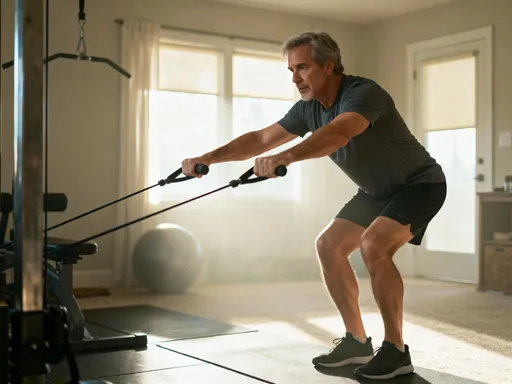
Resistance training is often overlooked when it comes to joint care, but it’s essential. Strong muscles act as shock absorbers, taking pressure off joints. Focusing on major muscle groups—quadriceps, hamstrings, glutes, and core—can significantly reduce strain on knees and hips. I started with light resistance bands and bodyweight exercises like seated leg lifts and wall push-ups. Over time, I progressed to light weights, always prioritizing form over intensity.
The key is consistency, not intensity. It’s better to move gently every day than to push hard once a week and pay for it with days of soreness. I’ve learned to listen to my body—some days call for a brisk walk, others for a slow stretch. The goal isn’t performance; it’s sustainability. By choosing activities I enjoy and can maintain long-term, I’ve turned joint care into a natural part of my life, not a chore.
Fueling Your Frame: Nutrition’s Hidden Role in Joint Support
While movement keeps joints functioning, nutrition provides the building blocks they need to stay strong. What we eat directly influences inflammation levels, tissue repair, and overall joint resilience. I used to think of diet as something that affected weight or heart health, but I’ve come to see it as a core part of joint care.
Anti-inflammatory foods are at the heart of joint-supportive nutrition. Omega-3 fatty acids, found in fatty fish like salmon and mackerel, as well as in flaxseeds and walnuts, have been shown to reduce joint stiffness and swelling. I started adding grilled salmon to my weekly meals and sprinkling ground flaxseed on my morning oatmeal. Berries—especially blueberries, strawberries, and blackberries—are rich in antioxidants that combat oxidative stress in joint tissues. I keep a bowl of mixed berries on hand for snacks.
Colorful vegetables also play a vital role. Leafy greens like spinach and kale provide vitamin K, which supports bone and cartilage health. Orange and red vegetables—carrots, bell peppers, sweet potatoes—are high in beta-carotene and vitamin C, both of which contribute to collagen production. Collagen is a key protein in cartilage, tendons, and ligaments. I’ve made it a habit to fill half my plate with vegetables at every meal, ensuring a steady supply of these essential nutrients.
Hydration is another often-overlooked factor. Synovial fluid is mostly water, so staying well-hydrated helps maintain joint lubrication. I carry a reusable water bottle and aim for at least eight glasses a day. I also limit sugary drinks and excessive caffeine, which can contribute to dehydration and inflammation.
On the flip side, processed foods, refined sugars, and trans fats can worsen joint discomfort. These foods trigger inflammatory responses in the body, increasing pain and stiffness. I’ve reduced my intake of packaged snacks, fried foods, and sugary desserts. Instead, I focus on whole, minimally processed foods—lean proteins, whole grains, legumes, and healthy fats. The Mediterranean-style eating pattern has become my go-to model. It’s not a restrictive diet, but a sustainable way of eating that supports long-term joint and overall health.
It’s important to note that no single food is a miracle cure. Nutrition works gradually, building resilience over time. I didn’t wake up one day pain-free after eating salmon. But over months, I noticed less morning stiffness, faster recovery after activity, and an overall improvement in how my body felt. Food isn’t medicine in the traditional sense, but it’s a powerful ally in maintaining joint function.
Daily Habits That Make or Break Joint Health
Beyond exercise and diet, everyday habits have a profound impact on joint well-being. How you sit, stand, sleep, and carry objects all influence joint load and alignment. Small choices, repeated over time, either support or undermine joint health.
Posture is one of the most critical factors. Poor posture—slouching at a desk, craning the neck to look at a phone—creates imbalances that strain joints, especially in the spine, shoulders, and hips. I realized I spent hours hunched over my laptop, leading to shoulder tension and lower back discomfort. To correct this, I invested in an ergonomic chair and raised my screen to eye level. I also set a timer to stand and stretch every 30 minutes. These small adjustments made a noticeable difference in how I felt by the end of the day.
Sitting for long periods is another silent joint killer. Prolonged inactivity causes muscles to tighten and joints to stiffen. I now make it a point to stand while taking phone calls or pacing during TV commercials. If I’m working at home, I alternate between sitting and standing using a convertible desk. Even brief movements—walking to the kitchen, doing a few gentle stretches—help keep joints lubricated and muscles engaged.
Sleep quality is equally important. During deep sleep, the body repairs tissues, reduces inflammation, and restores balance to stress hormones. Poor sleep can heighten pain sensitivity and slow recovery. I’ve prioritized sleep by setting a consistent bedtime, limiting screen time before bed, and creating a calm bedroom environment. Since improving my sleep routine, I wake up with less stiffness and more energy.
Weight management also plays a direct role. Every extra pound adds pressure to weight-bearing joints like knees and hips. Studies show that losing just 10 pounds can significantly reduce knee pain and improve mobility. I didn’t aim for drastic weight loss—instead, I focused on sustainable changes: smaller portions, more vegetables, and regular movement. The weight came off gradually, and with it, the strain on my joints eased.
Finally, mindful movement in daily tasks matters. Bending at the knees instead of the waist when lifting, using both hands to carry heavy bags, and wearing supportive shoes all reduce joint stress. I switched to comfortable, well-cushioned shoes with good arch support, even for casual wear. These habits may seem minor, but together, they create a foundation of joint protection that supports long-term mobility.
When to Seek Help: Listening to Your Body’s Signals
While self-care is powerful, it’s not a substitute for professional guidance. Learning to distinguish between normal soreness and warning signs is crucial. Some stiffness after a new activity is expected, especially when starting a fitness routine. But persistent pain—especially if it lasts more than a few days—should not be ignored.
Other red flags include swelling, warmth, or redness around a joint, which may indicate inflammation or infection. A noticeable decrease in range of motion—like not being able to fully straighten your knee or raise your arm—also warrants attention. These symptoms could point to underlying conditions such as osteoarthritis, rheumatoid arthritis, or tendonitis, all of which benefit from early diagnosis and treatment.
I learned this the hard way. For months, I tried to “push through” knee pain, assuming it was just part of aging. When I finally saw a physical therapist, I discovered I had weak gluteal muscles contributing to poor knee alignment. With targeted exercises and manual therapy, my pain improved significantly. That experience taught me the value of professional insight.
Healthcare providers can offer personalized assessments, recommend imaging if needed, and guide safe exercise programs. They may also suggest assistive devices, orthotics, or referrals to specialists. The goal isn’t dependency, but informed care. Self-management works best when it’s part of a broader health strategy that includes medical support when necessary.
Don’t wait until pain disrupts your life. Early intervention can prevent minor issues from becoming chronic problems. If something feels off, trust your instincts and seek advice. Your body is giving you information—listen to it with kindness and respect.
Building a Joint-Smart Lifestyle: Small Steps, Big Results
Looking back, I realize that healing my joints wasn’t about one dramatic change, but a series of small, intentional choices. I didn’t need a miracle—I needed consistency, patience, and a willingness to learn. What started as a quest to reduce pain became a journey toward greater overall well-being.
A joint-smart lifestyle isn’t about perfection. It’s about progress. It means choosing to walk instead of drive when possible, drinking water instead of soda, standing up to stretch, or opting for a vegetable-rich meal. These actions may seem small, but their cumulative effect is powerful. Over time, they build resilience, improve mobility, and restore confidence.
I now track my progress not by how much pain I’ve eliminated, but by how much I can do. I can play on the floor with my grandchildren, garden without dreading the next day’s soreness, and enjoy long walks with my partner. These moments of freedom are the real measure of success.
Aging doesn’t have to mean slowing down. With the right habits—movement, nutrition, awareness, and professional support when needed—joints can remain strong and functional for decades. Joint health isn’t just about avoiding pain; it’s about honoring your body’s ability to move, adapt, and thrive. By caring for your joints today, you’re investing in a future full of possibility, strength, and joy.